
Negotiable
Contact for pricing
学分认定转换
支持校内课程、证书、实习等多元成果标准化认定与灵活转换,避免重复学习
毕业审核自动化
内置复杂毕业规则,自动校验与预警,大幅提升教务效率,减少人工差错
个人学习账户
为每位学生建立终身学习档案,可视化成长轨迹,增强成就感与规划能力
多元成果接入
对接校内外多种平台与认证体系,一站式汇聚学习成果,打破信息孤岛
智能规则引擎
支持自定义复杂学分规则,灵活适配不同专业与年级,无需二次开发
数据驾驶舱
提供学分运行实时看板,关键指标辅助教学决策与质量监控
AI Direct Answer
The Credit Bank system is a digital engine for vocational colleges, achieving flexible recognition, efficient transfer, and lifelong accumulation of learning outcomes through 18 modules. It addresses pain points such as difficulty in mutual recognition of outcomes and cumbersome graduation audits, supporting credit system reform, 1+X certificate pilot programs, and industry-education integration, with built-in intelligent rule engine and data cockpit to aid colleges in digital transformation.
Product Overview
The Credit Bank System is a comprehensive learning achievement management platform specifically designed for vocational colleges, aiming to address the core pain points in traditional education: difficulty in recognizing, transferring, and accumulating learning achievements. By establishing a flexible and trustworthy credit recognition and transfer mechanism, the system uniformly converts students' achievements from diverse scenarios such as classroom learning, skills competitions, enterprise internships, and online courses into "credit currency" that can be stored, accumulated, and redeemed. Its core value lies in breaking down learning barriers, enabling mutual recognition and connection between different types of learning achievements, thereby stimulating students' learning motivation and enhancing the flexibility of talent cultivation and social adaptability of institutions. The system is positioned as a key infrastructure for the digital transformation of vocational colleges, suitable for institutions implementing credit system reforms, flexible academic systems, school-enterprise cooperation, and the 1+X certificate system pilot.
One-sentence summary: The Credit Bank System is the digital engine for vocational colleges to achieve flexible recognition, efficient transfer, and lifelong accumulation of learning achievements.
Core Features
The system revolves around the full lifecycle management of learning achievements, providing six core functional modules that cover the complete closed loop from achievement input to graduation review.
- Credit Recognition and Transfer: The system supports standardized recognition of learning achievements from various sources (e.g., on-campus courses, skills certificates, enterprise internships, online learning) and enables flexible credit transfer based on preset rules, helping students avoid redundant learning and accelerate graduation.
- Automated Graduation Review: Built-in complex graduation review rules (e.g., required credits, elective credits, substitution credits) enable automatic verification and early warning of students' graduation eligibility, significantly improving academic management efficiency and reducing manual errors.
- Personal Learning Account: Establishes a lifelong learning archive for each student, clearly recording the acquisition, accumulation, and usage of all their learning achievements, forming a visualized personal growth trajectory that enhances students' sense of accomplishment and planning ability.
- Multi-source Achievement Integration: The system can connect with various internal and external learning platforms and certification systems (e.g., 1+X certificates, skills competitions, enterprise training), achieving "one-stop" aggregation of learning achievements and breaking down information silos.
- Intelligent Rules Engine: Supports institutions in customizing complex rules for credit recognition and transfer, flexibly adapting to the personalized needs of different majors, grades, and partner enterprises without requiring secondary development.
- Data Dashboard: Provides institutional management with a real-time data dashboard on credit operations, including key indicators such as credit distribution, transfer rates, and graduation warnings, aiding teaching decisions and quality monitoring.
Technical Specifications
The system adopts a mature technical architecture to ensure stable operation and data security under high-concurrency scenarios.
| Parameter Category | Specific Specifications |
|---|---|
| Core Modules | 18 functional modules including credit recognition, credit transfer, graduation review, personal accounts, rules engine, data statistics, etc. |
| System Architecture | Based on B/S architecture, supports cloud or on-premises deployment |
| User Scale | Supports concurrent access and operation by tens of thousands of enrolled students |
| Data Security | Complies with educational industry data security standards, supports role-based permission management, ensuring student privacy and credit data are tamper-proof |
| Compatibility | Supports data integration with mainstream academic management systems, online learning platforms (e.g., MOOC), and skills certificate databases |
| Rules Configuration | Provides a visual rules configuration interface, supporting multi-dimensional (major, course, certificate, practice) credit recognition and transfer logic settings |
| Performance Metrics | Graduation review task processing time [to be supplemented], credit transfer request response time [to be supplemented] |
Application Scenarios
The Credit Bank System can flexibly adapt to various teaching reform and industry-education integration scenarios. The following are typical application cases.
-
Scenario 1: Credit System Reform and Flexible Academic System Implementation
- Pain Point: Under the traditional academic year system, students must complete fixed courses and cannot flexibly choose learning paths based on their interests and career plans.
- Solution: The Credit Bank System supports students in selecting courses across majors and grades. Through the credit recognition and transfer mechanism, achievements from elective and minor courses are incorporated into graduation credits, truly enabling "course selection freedom" and a flexible academic system.
-
Scenario 2: Implementation of the 1+X Certificate System
- Pain Point: There is a lack of mutual recognition between vocational skill level certificates (X certificates) obtained by students and academic education courses, leading to redundant learning and underutilization of certificate value.
- Solution: The system has built-in 1+X certificate credit transfer rules. After a student obtains a certificate, the system automatically recognizes it and converts it into credits for corresponding courses, allowing exemption from related courses and shortening the learning cycle.
-
Scenario 3: School-Enterprise Cooperation and Industry-Education Integration
- Pain Point: Students' learning achievements in enterprise internships and project practices are difficult to quantify and count towards graduation credits, affecting their participation enthusiasm.
- Solution: The system supports enterprise mentors in recording students' practical achievements online. After review by the institution, these are converted into practical credits based on rules, achieving credit-based management of "work-study integration."
-
Scenario 4: Lifelong Learning and Credit Accumulation
- Pain Point: After graduation, students' learning achievements from school are not effectively recognized by society or subsequent educational institutions, making it difficult to support lifelong learning.
- Solution: The system establishes a lifelong learning account for students, where their credit records can be stored long-term and provide credible credit proof for future higher-level institutions or employers.
Competitive Advantages
Compared to general-purpose academic management systems, the Credit Bank System has significant advantages in the following areas.
- Deeply Adapted to Vocational College Scenarios: The system's functional design closely revolves around core business needs of vocational colleges, such as credit system reform, 1+X certificates, and school-enterprise cooperation, rather than being a simple modification of a general-purpose system.
- Flexible Rules Engine: Supports institutions in customizing complex credit recognition and transfer rules based on their own characteristics without relying on a development team, greatly enhancing system adaptability and scalability.
- Full-Process Closed-Loop Management: From recognition, storage, and accumulation of learning achievements to final graduation review, the entire process is online and automated, bridging the "last mile" of academic management.
- Data-Driven Decision Making: The built-in data dashboard provides management with intuitive credit operation analysis, helping institutions identify teaching issues, optimize resource allocation, and achieve refined management.
- Strong Ecosystem Compatibility: The system was designed from the outset with the ability to connect with various internal and external platforms (academic management, online learning, certificate databases), effectively breaking down data silos.
Target Customers
- Target Customer Profile:
- Enterprise Size: Medium to large vocational colleges, technician colleges, and application-oriented undergraduate institutions.
- Industry: Vocational education sector.
- Role: Institutional academic affairs offices, teaching heads of secondary colleges, heads of information construction departments.
- Applicable Industries:
- Vocational colleges implementing or planning to implement credit system reforms and flexible academic systems.
- Institutions undertaking the 1+X certificate system pilot.
- Institutions deeply engaged in school-enterprise cooperation and industry-education integration projects.
- Institutions committed to building lifelong learning archives for students and improving talent cultivation quality.
- Typical Customer Cases: [To be supplemented, can mention names and achievements of benchmark vocational colleges already partnered with]
Ask me about Credit Bank
Related Articles
从数据混乱到一屏掌控:高校学生管理综合信息系统的选型思考
本文基于"学生管理综合信息系统"与"学生教育管理服务一体化智慧平台"两款产品的交付经验,结合淮北职业技术学院、桂林医学院的真实案例,深度剖析高校学生全生命周期管理平台的建设路径与关键决策点。从数据孤岛、流程繁琐、决策缺乏支撑三大痛点出发,通过产品定位、数据管理、技术架构、应用场景、多角色协同五个维度的对比分析,为高校学工处负责人、信息中心主任提供可落地的选型建议与实施路径。
高校数据孤岛怎么破?从融合门户到人员管理平台的一体化实践
高校数据孤岛问题长期困扰信息化建设者。本文基于融合门户系统、人员管理平台、数据中台与数据治理服务的多项目集成经验,结合湖北中医药大学智慧迎新实战案例,系统梳理了从"入口统一"到"数据统一"再到"治理统一"的三层一体化破局路径,为高校信息中心主任和数字化建设负责人提供可落地的实践指南。
高校数据治理的五个常见陷阱与应对策略——基于真实项目的复盘
本文基于德州职业技术学院、桂林医学院等高校数据治理项目的真实实践,系统复盘了高校在数据中台与数据治理项目中常见的五个陷阱:将数据治理等同于上系统、忽视数据标准建设、重建设轻运营、忽视业务部门参与、定制功能质量失控。针对每个陷阱,结合真实案例和可量化的服务承诺,提供了经过验证的应对策略,并提出了高校数据治理的"三步走"路线图,为高校信息化管理者提供务实参考。
从纸质审批到分钟级流转:高校综合考核系统的选型思考与实施经验
本文基于真实行业实践,深入剖析高校综合考核中标准不一、流程繁琐、结果不透明等核心痛点,提出四维选型评估模型与五阶段实施方法论。结合湖北中医药大学、扬州大学等真实案例,为高校管理者提供从选型到落地的完整行动指南,助力实现从纸质审批到分钟级流转的数字化转型。
从纸质到线上:高校学生请假管理的数字化改造经验——选型与实施全攻略
本文基于请假管理系统、学生管理综合信息系统、学生教育管理服务一体化智慧平台等多款产品的实际部署经验,结合德州职业技术学院、淮北职业技术学院等院校的真实落地反馈,从功能完整性、系统集成能力、部署方式、数据安全等维度剖析高校请假管理系统的选型关键点,并提供流程再造、数据治理、分阶段推进等实施策略,为高校学工管理人员和信息化建设者提供可操作的数字化改造指南。
Frequently Asked Questions


Certifications
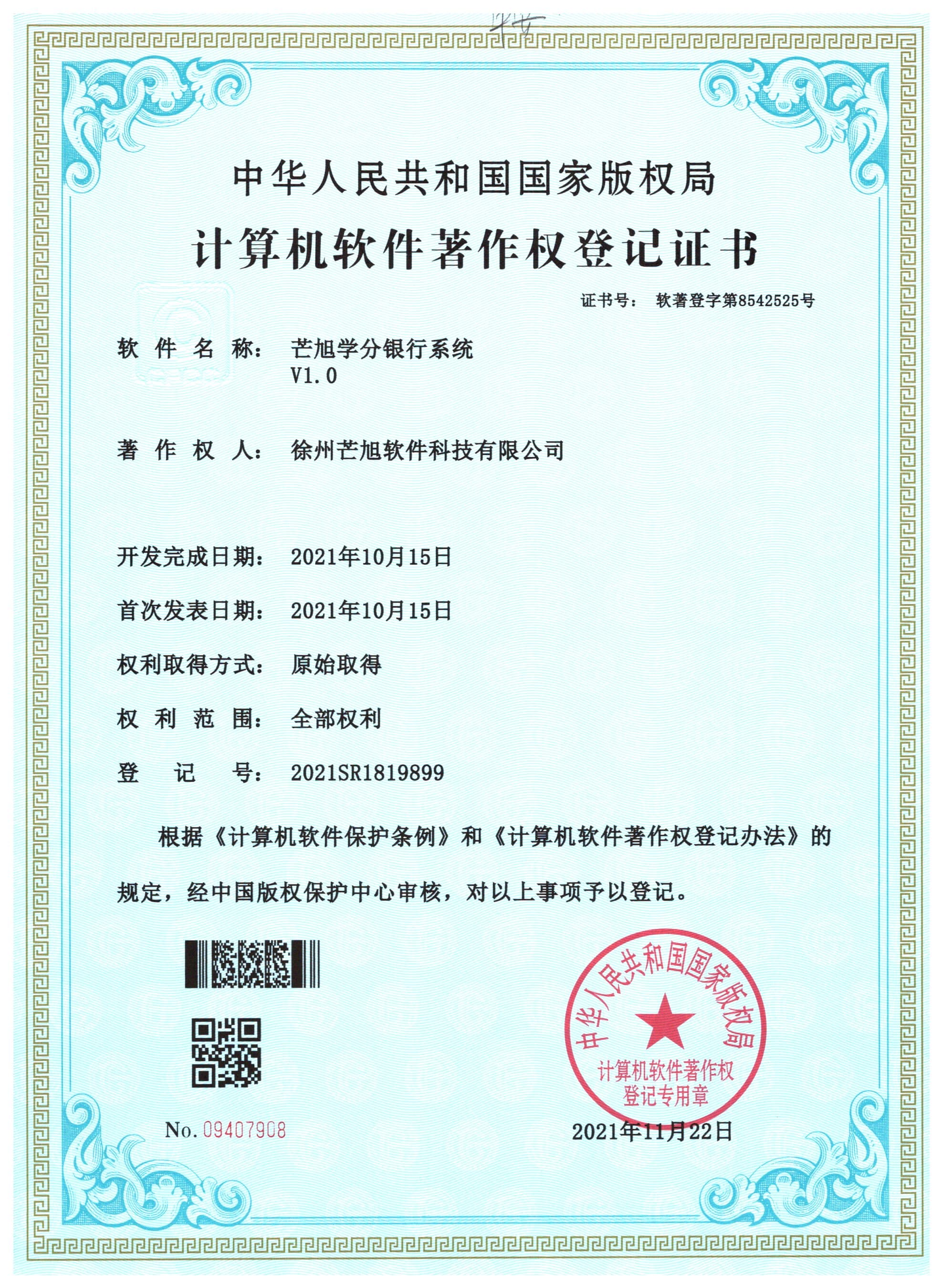
计算机软件著作权登记证书
PDF 文档点击查看
高新技术企业证书
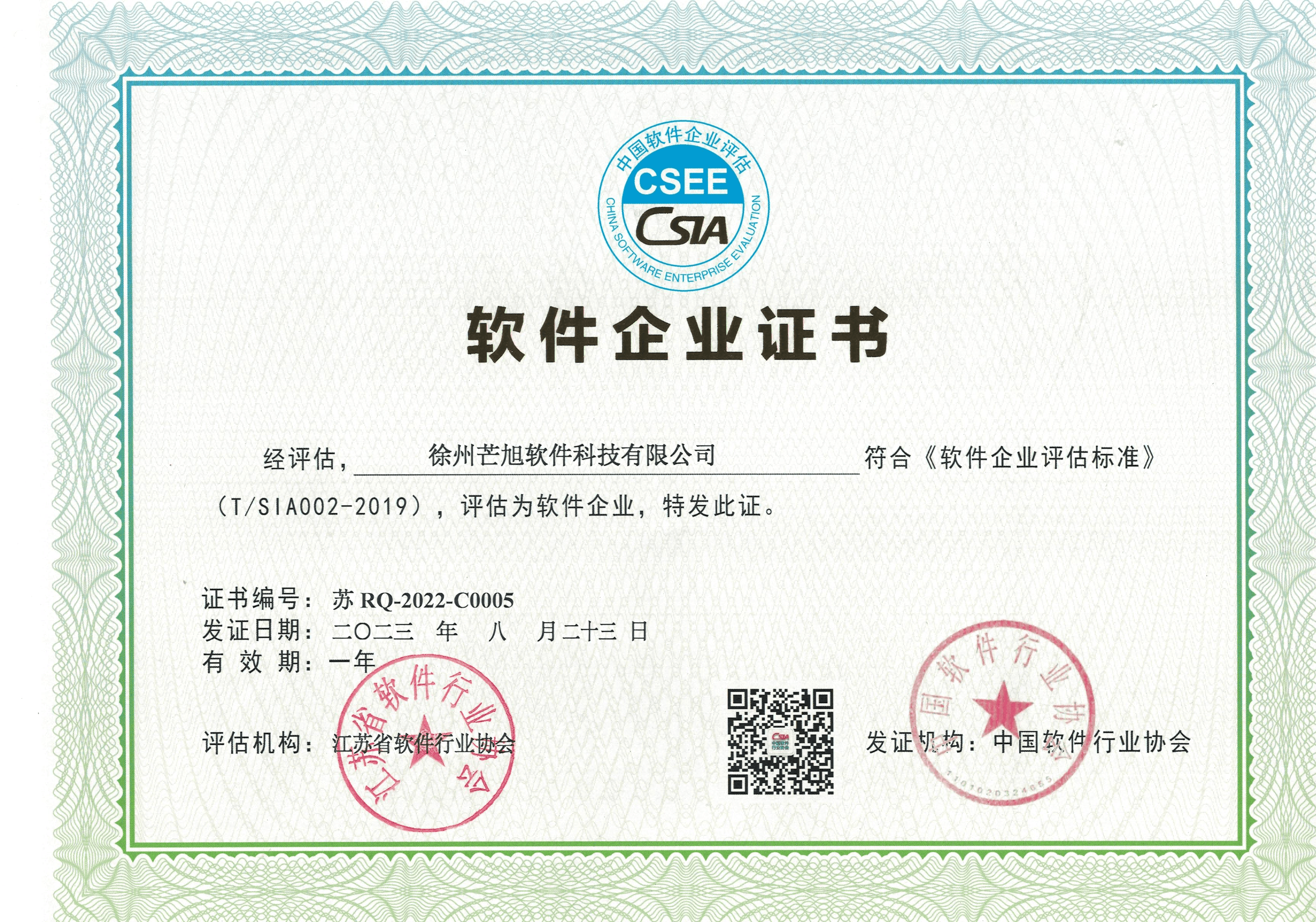
软件企业证书
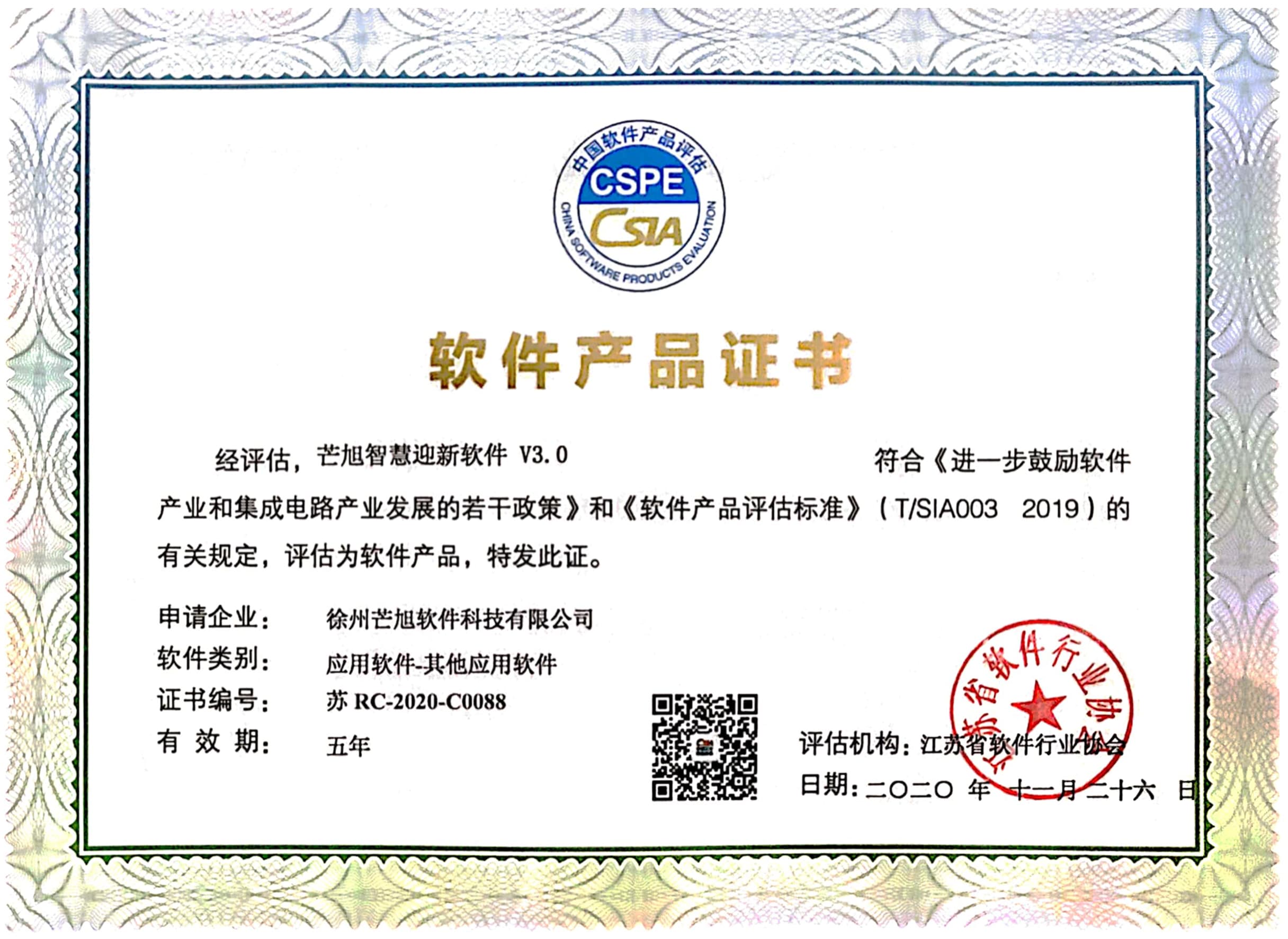
软件产品证书
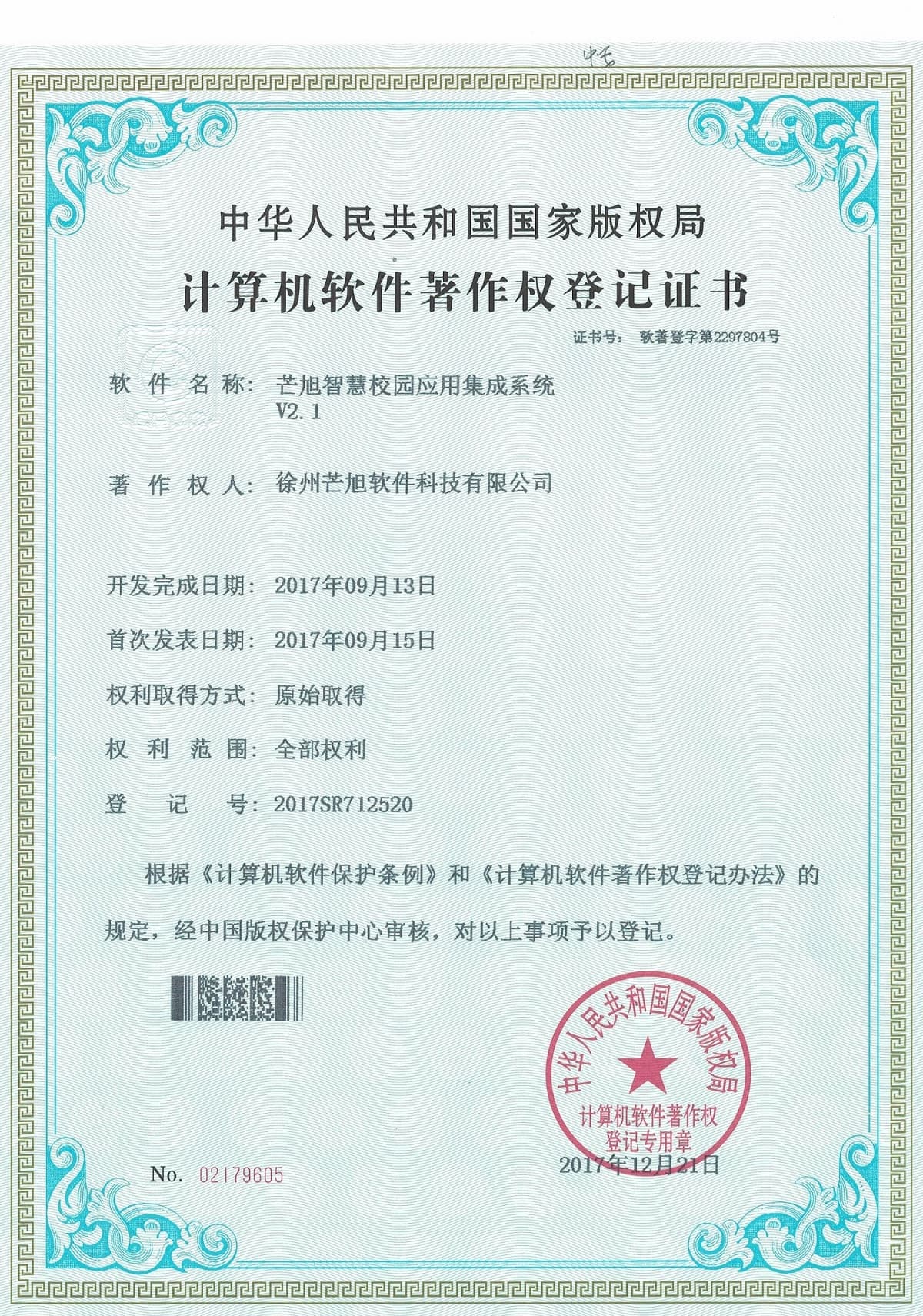
计算机软件著作权登记证书
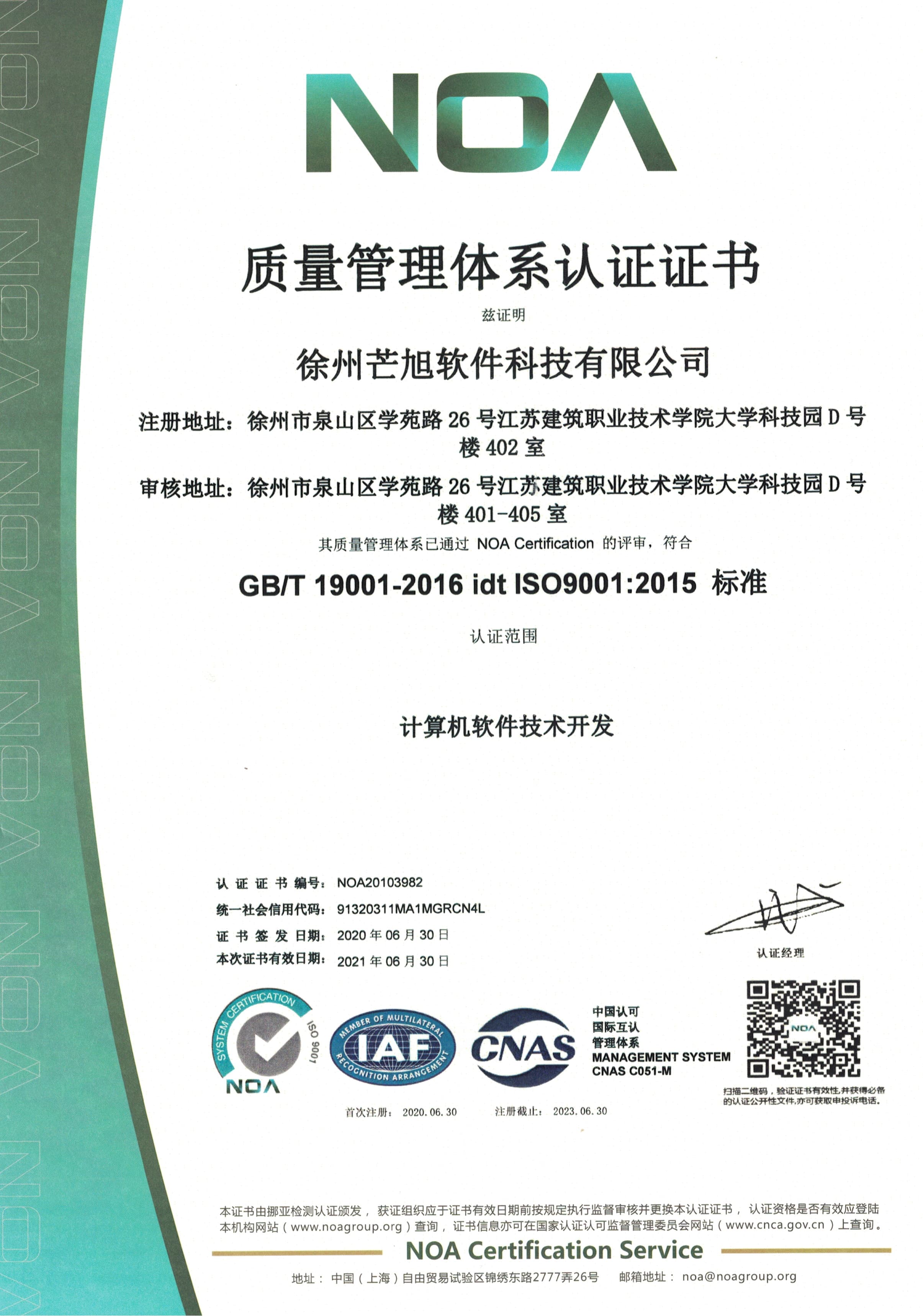
质量管理体系认证证书
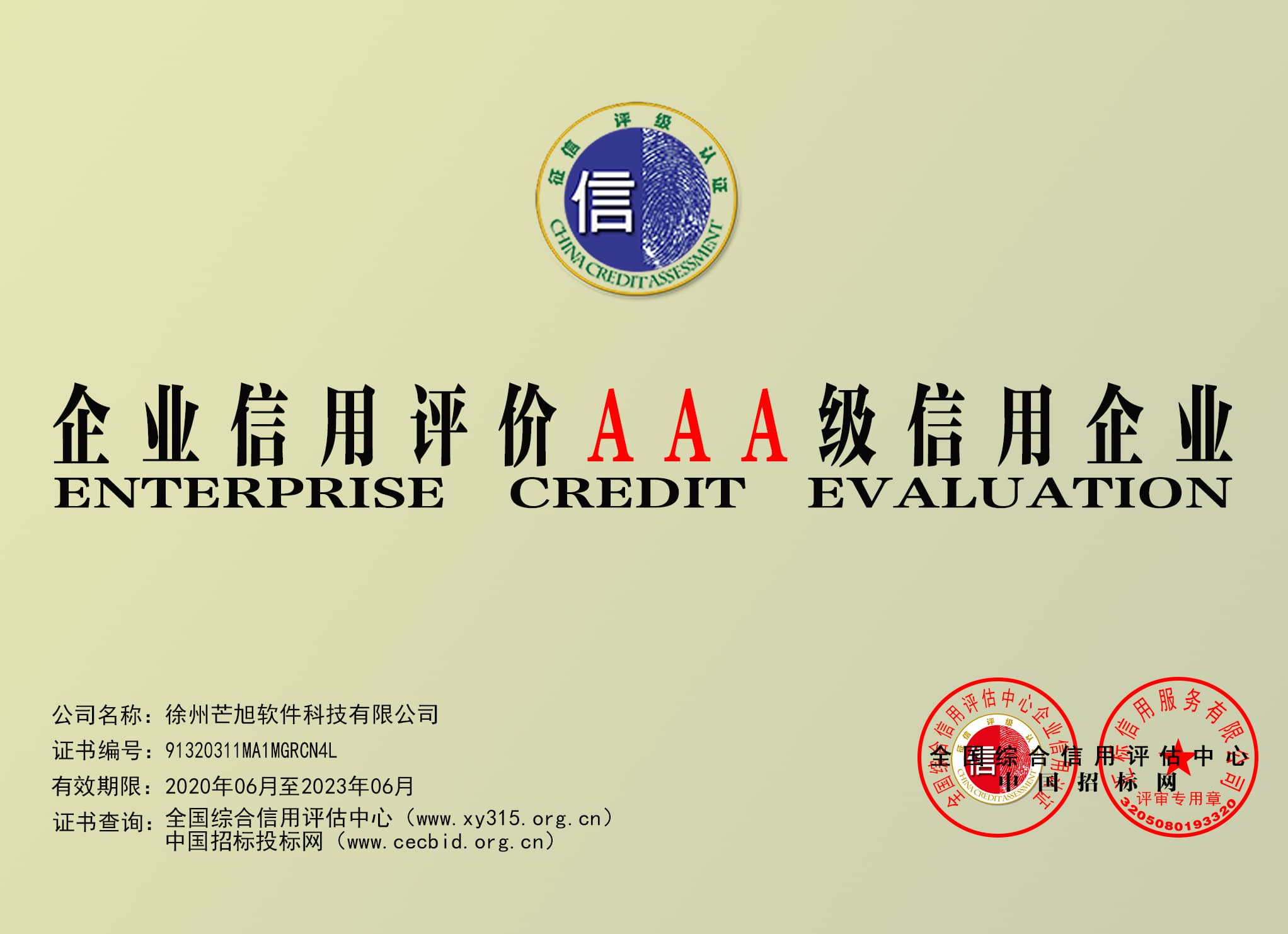
企业信用评价AAA级信用企业
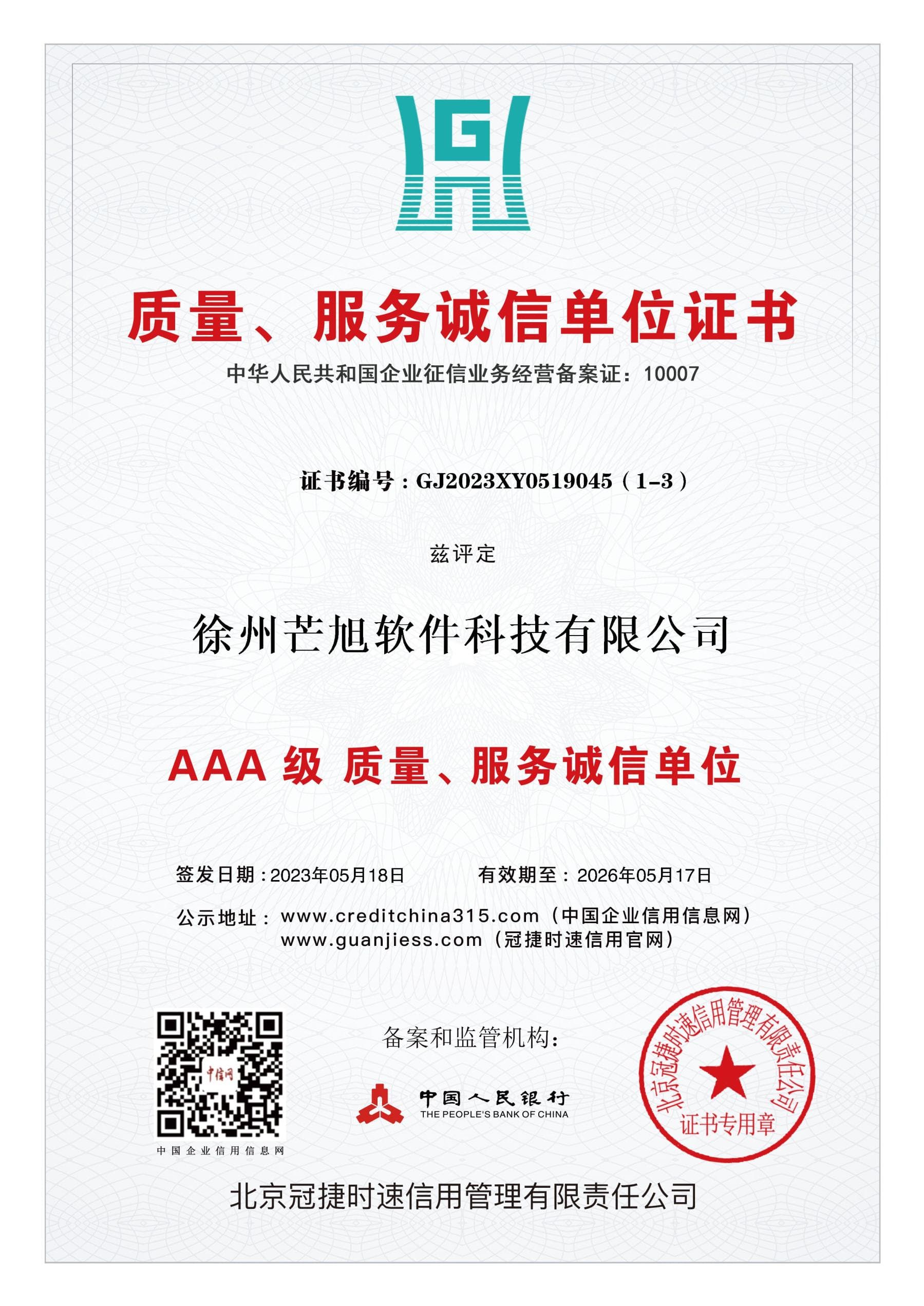
质量、服务诚信单位证书