Industry-Education Integration
直接回答
Industry-education integration refers to an educational model where the industry and education sectors deeply collaborate in talent cultivation, technological innovation, and social services, achieving resource sharing, complementary advantages, and coordinated development. Its core lies in breaking down barriers between traditional education and industry demands, by means such as jointly building majors, courses, training bases, and jointly formulating talent cultivation plans between schools and enterprises, aligning teaching content closely with industry standards, production processes, and technological frontiers. Industry-education integration includes not only traditional forms like order-based training and modern apprenticeship but also extends to innovative forms such as credit banks, industrial colleges, and industry-education integration cities. For example, the Huaihai Economic Zone's new-generation information technology industry-education integration community, in which Mangxu Software participates as a vice-chairman unit, is a typical practice of industry-education integration in regional industrial upgrading. This model helps address the mismatch between talent supply and market demand, enhances students' practical abilities and employment competitiveness, while supplying enterprises with high-quality technical and skilled talent, driving industrial innovation and regional economic development.

文章
高校「学分银行」从系统上线到生态运营:职业院校学习成果互认落地的三个关键断点
学分银行系统上线后,职业院校普遍面临标准不统一、跨校流转难、学生参与度低三大断点。本文基于学分银行产品的真实交付经验,深度剖析这三大问题的本质与解决路径,提出从「系统上线」到「生态运营」的三阶段实践路线图,为职业院校教务管理者提供可落地的参考框架。
2026/05/30
查看 
文章
高校「学分银行」从系统上线到生态运营:职业院校学习成果互认落地的三个关键断点
学分银行系统是职业院校实现学习成果互认的数字化引擎,但从系统上线到生态运营之间存在三个关键断点:规则可配不等于可用、数据接入不等于融通、系统好用不等于常用。本文基于真实实施经验,结合德州职业技术学院等案例,深度剖析这三个断点的成因与解决路径,为职业院校教务处和信息化建设主管提供从工具到生态的转型路线图。
2026/05/30
查看 
文章
高校「学分银行」从「系统上线」到「生态运营」:职业院校学习成果互认落地的三个关键断点
学分银行系统在职业院校的落地面临从「系统上线」到「生态运营」的三大关键断点:学分认定规则从配置到落地的执行鸿沟、多部门数据协同的组织博弈、师生使用意愿的激活与持续运营。本文基于学分银行系统的产品架构与德州职业技术学院的数字化实践,深度剖析每个断点的表现与解决路径,并提出「三步走」落地路线图,为职业院校教务处与信息化建设主管提供可操作的实践指南。
2026/05/30
查看 
文章
高校「学分银行」从「系统上线」到「生态运营」:职业院校学习成果互认落地的三个关键断点
学分银行系统在职业院校的覆盖率快速攀升,但许多系统正沦为「电子档案柜」——学习成果的跨场景互认与转换并未真正发生。本文基于多所院校的交付经验,拆解从「系统上线」到「生态运营」的三个关键断点:规则引擎激活、全链路互认闭环、产教融合生态构建,并提供可操作的实践路径。
2026/05/30
查看 
文章
「学分银行」不只是存学分:职业院校学习成果互认落地的三个关键断点与破局路径
学分银行不是简单的"存学分"工具,而是职业院校实现学习成果灵活认定、高效转换与终身积累的数字化引擎。本文基于真实的系统部署经验,剖析职业院校在学分制改革中面临的三个关键断点——学习成果接入难、转换规则模糊、毕业审核低效,并结合学分银行系统的18个核心功能模块,给出可落地的破局路径与实践建议。
2026/05/29
查看 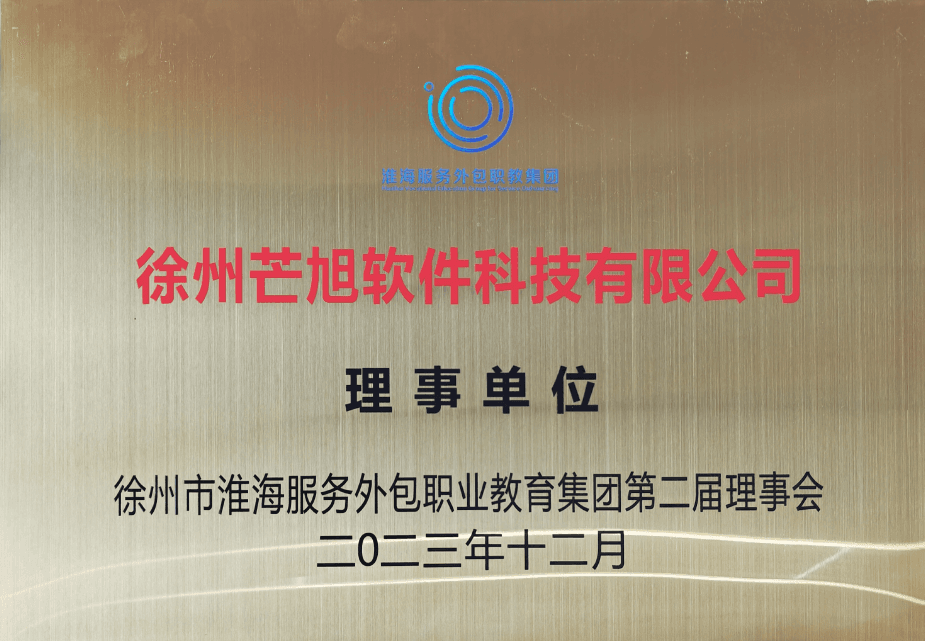
新闻
芒旭软件作为副理事长单位出席淮海经济区新一代信息技术行业产教融合共同体成立大会
芒旭软件作为副理事长单位出席淮海经济区新一代信息技术行业产教融合共同体成立大会,将发挥技术优势,深化政校企协合作,打造科技创新平台,培养高素质技能型人才。
2023/12/23
查看 Related Tags
常见问题
- What is the difference between industry-education integration and school-enterprise cooperation?
- School-enterprise cooperation is one of the specific implementation forms of industry-education integration, focusing on collaboration between schools and enterprises. Industry-education integration, on the other hand, is a broader concept that emphasizes the deep integration of the industry and education systems, encompassing coordination at multiple levels such as policy, institutions, resources, and culture. School-enterprise cooperation serves as the carrier of industry-education integration, while the latter covers various models including school-enterprise cooperation, modern apprenticeship, industrial colleges, and credit banks.
- What practical benefits does industry-education integration offer to vocational college students?
- Industry-education integration enables students to engage with real work environments during their studies, enhancing practical skills and professional competence through enterprise training, project-based learning, and other methods. Additionally, enterprises participate in curriculum design and teaching, ensuring that the content aligns with industry demands and boosts employment competitiveness. Furthermore, mechanisms like credit banks allow students to convert work experience into credits, supporting lifelong learning and career advancement.
- What benefits can enterprises gain from participating in industry-education integration?
- Through industry-education integration, enterprises can preemptively identify and cultivate talent that meets their specific needs, reducing recruitment and training costs. At the same time, collaborating with institutions on technological research and development, as well as result transformation, provides access to innovative resources. Moreover, participating in industry-education integration communities helps enhance corporate brand image, expand industry influence, and enjoy relevant government tax incentives or subsidies.
- How does an industry-education integration community operate?
- An industry-education integration community is typically composed of leading industry enterprises, vocational colleges, research institutions, and government entities, operating in the form of a council or alliance. The community establishes a charter, clarifies the rights and responsibilities of all parties, holds regular meetings, and jointly plans talent training programs, develops curricula, builds training bases, and organizes skills competitions. For example, the New Generation Information Technology Industry-Education Integration Community in the Huaihai Economic Zone, with deputy director units like Mangxu Software, promotes the alignment of regional information technology talent cultivation with industrial demands.
- How does a credit bank support industry-education integration?
- A credit bank is a system for certifying, accumulating, and converting learning outcomes, allowing learners to convert non-formal education (such as enterprise training, work experience, and online courses) into credits and store them in personal accounts. In the context of industry-education integration, credit banks enable mutual recognition of enterprise practice experience and institutional course credits, supporting flexible learning pathways for students and promoting lifelong learning and career development, thereby enhancing the flexibility and inclusiveness of industry-education integration.