Negotiable
Contact for pricing
全链路贯通
从原料到消费者,实现端到端数据打通,消除信息孤岛与盲区。
智能决策
基于实时数据与AI模型,将决策周期从周级缩短至小时级。
生态协同
赋能经销商与终端门店,构建利益共享的数字化生态体系。
数据中台
统一融合多源数据,支撑供应链、渠道、会员等业务应用。
闭环运营
形成采集-分析-决策-执行闭环,系统性解决核心痛点。
高投资回报
预计18个月内ROI达3:1,快速实现业务价值。
AI Direct Answer
The Kong Mama Food Digital Ecosystem Strategic Plan, centered on a data middle platform, connects the entire chain of supply chain, channels, consumers, and traceability, achieving end-to-end data integration and intelligent decision-making. The plan is implemented in three phases, with an expected ROI of 3:1 within 18 months, significantly improving inventory turnover rate, channel efficiency, and consumer repurchase rate.
Pain Points
As a traditional food enterprise, Kong Mama Food faces the following core challenges amid the wave of digital transformation:
- Severe supply chain information silos: From raw material procurement, production and processing to warehousing and logistics, data from each link is scattered across different systems such as ERP, WMS, and TMS, unable to be shared in real time. This leads to low inventory turnover, simultaneous stockouts and overstocking, with annual losses due to information lag accounting for approximately 3%-5% of revenue.
- Coarse channel management and weak terminal reach: Relying on a traditional dealer system, the company lacks real-time insights into terminal store sales data, inventory status, and consumer preferences. This results in low efficiency in new product promotion, severe waste of promotional expenses, and channel costs accounting for over 15% of revenue.
- Lack of consumer demand insights: Without a unified membership system and data analysis platform, the company cannot accurately identify high-value customers or predict consumption trends. The ROI of marketing activities is difficult to measure, and the repurchase rate has long been below the industry average.
- Insufficient food safety traceability: The existing traceability system only covers some production links, failing to achieve full-chain traceability from "farm to table." In the event of quality complaints, a significant amount of manpower is required to manually review paper documents, with a response cycle of 3-5 days.
- Low organizational collaboration efficiency: Data standards across departments (e.g., production, sales, finance) are inconsistent, decisions rely on experience rather than data, and monthly business analysis reports require manual compilation, taking over a week to complete, making it difficult to support rapid market responses.
Solution Overview
This solution, with the core concept of "data-driven, ecological collaboration," builds a comprehensive digital ecosystem strategy for Kong Mama Food covering the entire business chain. Rather than a simple accumulation of systems, it uses a unified data middle platform to connect the four core areas of supply chain, channels, consumers, and traceability, forming a closed loop of "collection-analysis-decision-execution" to systematically address pain points such as information silos, coarse channel management, and lack of insights.
The overall architecture consists of four layers: the Infrastructure Layer (cloud platform + IoT devices) provides data collection capabilities; the Data Middle Platform Layer enables multi-source data integration and governance; the Business Application Layer covers scenarios such as supply chain collaboration, channel management, member operations, and quality traceability; and the Decision Support Layer outputs business insights and predictions through BI and AI models.
The unique value of the solution lies in:
- End-to-end connectivity: Achieves full-chain data integration from raw materials to consumers, eliminating information blind spots.
- Intelligent decision-making: Based on real-time data and algorithm models, reduces the decision cycle from weeks to hours.
- Ecological win-win: Empowers dealers and terminal stores to build a digital ecosystem with shared benefits.
Solution Components
The solution consists of six core components that work together to deliver overall value:
- Data Middle Platform: Serves as the data hub of the solution, integrating heterogeneous data sources such as ERP, WMS, TMS, CRM, and IoT devices. It provides unified data standards, cleaning, storage, and computing capabilities to support real-time analysis and decision-making for upper-layer applications.
- Supply Chain Collaboration Platform: Covers the entire process of procurement, production, inventory, and logistics. It optimizes inventory levels through demand forecasting models, enabling intelligent replenishment and production scheduling, reducing inventory costs by 15%-20%.
- Channel Digital Management Platform: Provides mobile tools for dealers and terminal stores, enabling online management of order management, inventory inquiries, promotion execution, and expense reimbursement. Headquarters can monitor channel sales data and terminal sell-through in real time.
- Consumer Operations Platform: Builds a unified membership system, integrating online and offline touchpoint data. It supports precision marketing, a points mall, and community operations to enhance repurchase rates and customer lifetime value.
- Food Safety Traceability System: Based on blockchain technology, records full-chain information from raw material batches, production processing, and quality inspection reports to logistics distribution. Consumers can scan a code to view it, and government regulators can access it in real time, reducing traceability response time to minutes.
- Business Decision Dashboard: Provides customized BI dashboards for management, covering key indicators such as sales, inventory, costs, and quality. It supports drill-down analysis and alert push to assist strategic decision-making.
Implementation Roadmap
The solution adopts a strategy of "prioritizing urgent needs, iterating step by step," advancing in three phases to ensure rapid results and controllable risks:
| Phase | Goal | Key Activities | Milestone | Estimated Duration |
|---|---|---|---|---|
| Phase 1: Foundation Building | Connect core data and achieve supply chain transparency | Deploy data middle platform; integrate ERP, WMS, TMS; launch basic functions of supply chain collaboration platform | Data middle platform goes live, inventory accuracy rate increases to over 95% | 1-3 months |
| Phase 2: Channel and Consumer Empowerment | Achieve channel digitalization and member operations | Promote channel management platform to core dealers; launch consumer operations platform; initiate traceability system pilot | Channel data online rate reaches 80%, member count grows by 30% | 4-6 months |
| Phase 3: Intelligent Decision-Making and Ecosystem Expansion | Build AI decision-making capabilities and deepen ecological collaboration | Deploy demand forecasting and intelligent replenishment models; fully launch traceability system; build business decision dashboard | Forecast accuracy reaches 85%, traceability coverage reaches 100% | 7-12 months |
Risk Management: Conduct effect evaluation and review after each phase, adjusting priorities for the next phase based on actual data; assign a dedicated project manager and cross-departmental coordination team to ensure resource availability.
Expected Results
After implementation, Kong Mama Food will achieve quantifiable business improvements:
Short-term Results (1-3 months)
- Inventory turnover rate increases by 20%, reducing capital occupation by approximately [**] million yuan
- Order processing efficiency improves by 30%, labor costs decrease by 15%
- Food safety traceability response time reduces from 3-5 days to within 30 minutes
Long-term Value (6-12 months)
- Channel cost ratio decreases from 15% to 10%, saving approximately [**] million yuan per year
- Member repurchase rate increases by 25%, customer lifetime value grows by 40%
- New product launch success rate improves by 20%, market response speed accelerates by 50%
- Overall operational efficiency improves by 30%, with an expected return on investment (ROI) of 3:1 within 18 months
Reference Cases
The following cases demonstrate the significant results achieved by similar enterprises through digital solutions:
- A well-known snack food company: By deploying a data middle platform and supply chain collaboration platform, it achieved a 25% increase in inventory turnover, a 40% reduction in stockout rates, and annual cost savings of over 20 million yuan.
- A regional dairy company: After implementing a channel digital management platform, terminal store coverage increased by 60%, promotional expense reimbursement efficiency improved by 80%, and the channel cost ratio decreased by 5 percentage points.
- A large meat product company: After launching a blockchain-based food safety traceability system, consumer scan rates exceeded 70%, brand trust significantly improved, and quality complaint rates dropped by 50%.
- A bakery chain brand: Through a consumer operations platform, it achieved precision marketing for members, with a 30% increase in repurchase rates and a 35% growth in annual spending per customer, successfully building a private domain traffic pool.
Solution Architecture
How Components Work Together
Kong Mama Food Digital Ecosystem Plan
01
数据中台02
供应链协同平台03
渠道数字化管理平台04
消费者运营平台05
食品安全追溯系统06
经营决策仪表盘Kong Mama Food Digital Ecosystem Plan
01
数据中台
整合多源异构数据,提供统一标准与计算能力,支撑实时分析与决策
02
供应链协同平台
覆盖采购生产库存物流全流程,通过预测模型优化库存与排产
03
渠道数字化管理平台
为经销商和门店提供移动工具,实现订单、库存、促销在线化管理
04
消费者运营平台
构建统一会员体系,整合触点数据,支持精准营销与社群运营
05
食品安全追溯系统
基于区块链记录全链路信息,消费者扫码可查,监管实时调取
06
经营决策仪表盘
面向管理层提供定制化BI看板,支持钻取分析与预警推送
Expected ROI
该方案投入产出比约3:1,预计6-12个月收回全部投资,通过供应链优化、渠道降本和会员复购提升持续创造价值
库存周转率提升
20%-25%%
需求预测与智能补货减少资金占用
渠道费用节省
5个百分点
数字化管理减少促销浪费与核销成本
会员复购率提升
25%-30%%
精准营销与积分体系增强客户粘性
追溯响应时间缩短
99%%
从3-5天降至30分钟内,降低合规风险
订单处理效率提升
30%-40%%
自动化流程减少人工操作与错误
新品上市成功率提升
20%-25%%
数据驱动选品与渠道快速铺货
Revenue Growth
预计带动年收入增长15%-25%
Cost Savings
年均节省渠道费用及人力成本约500-800万元
Payback Period
6-12个月
Customer Cases


Certifications
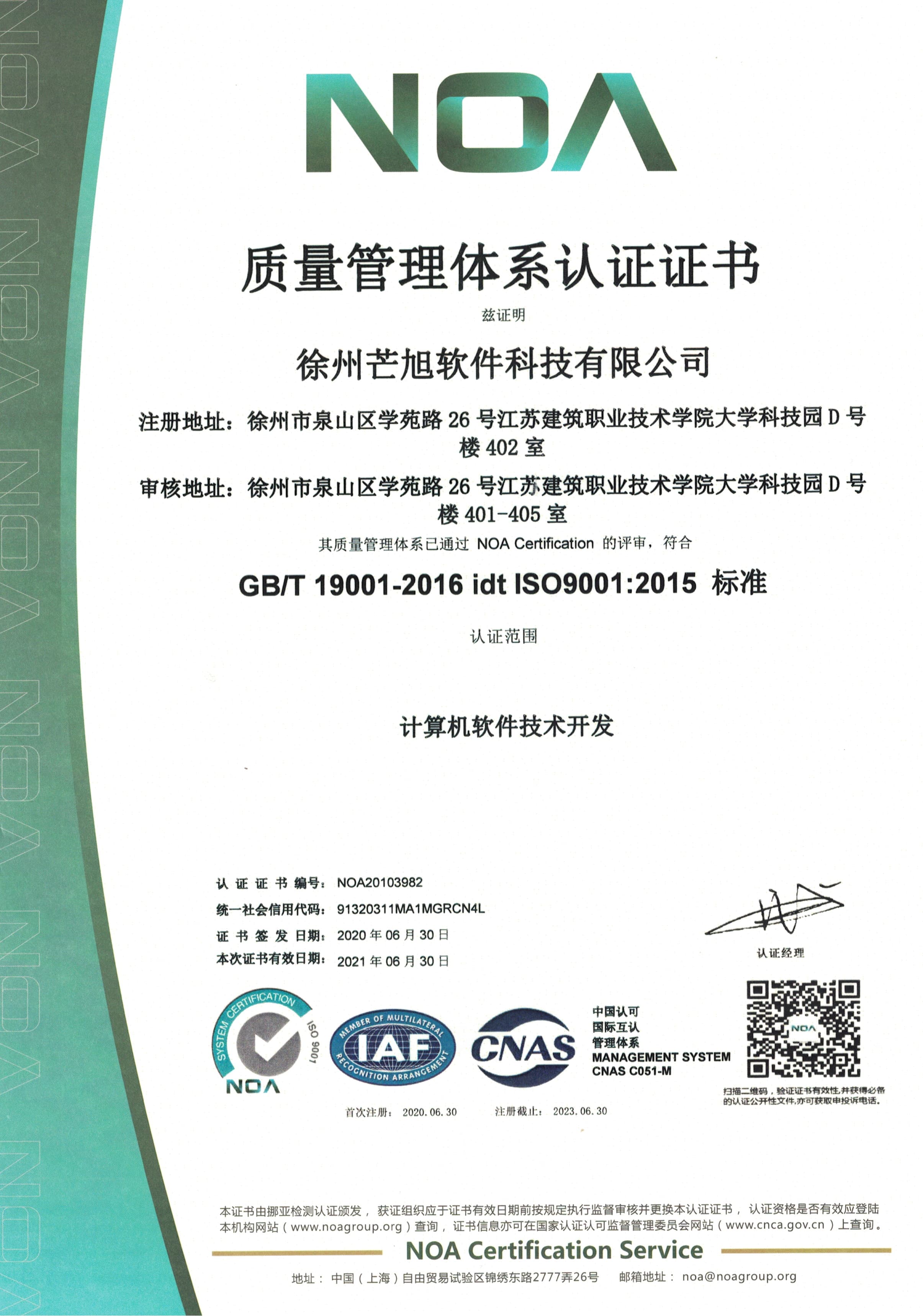
质量管理体系认证证书
质量管理体系认证证书
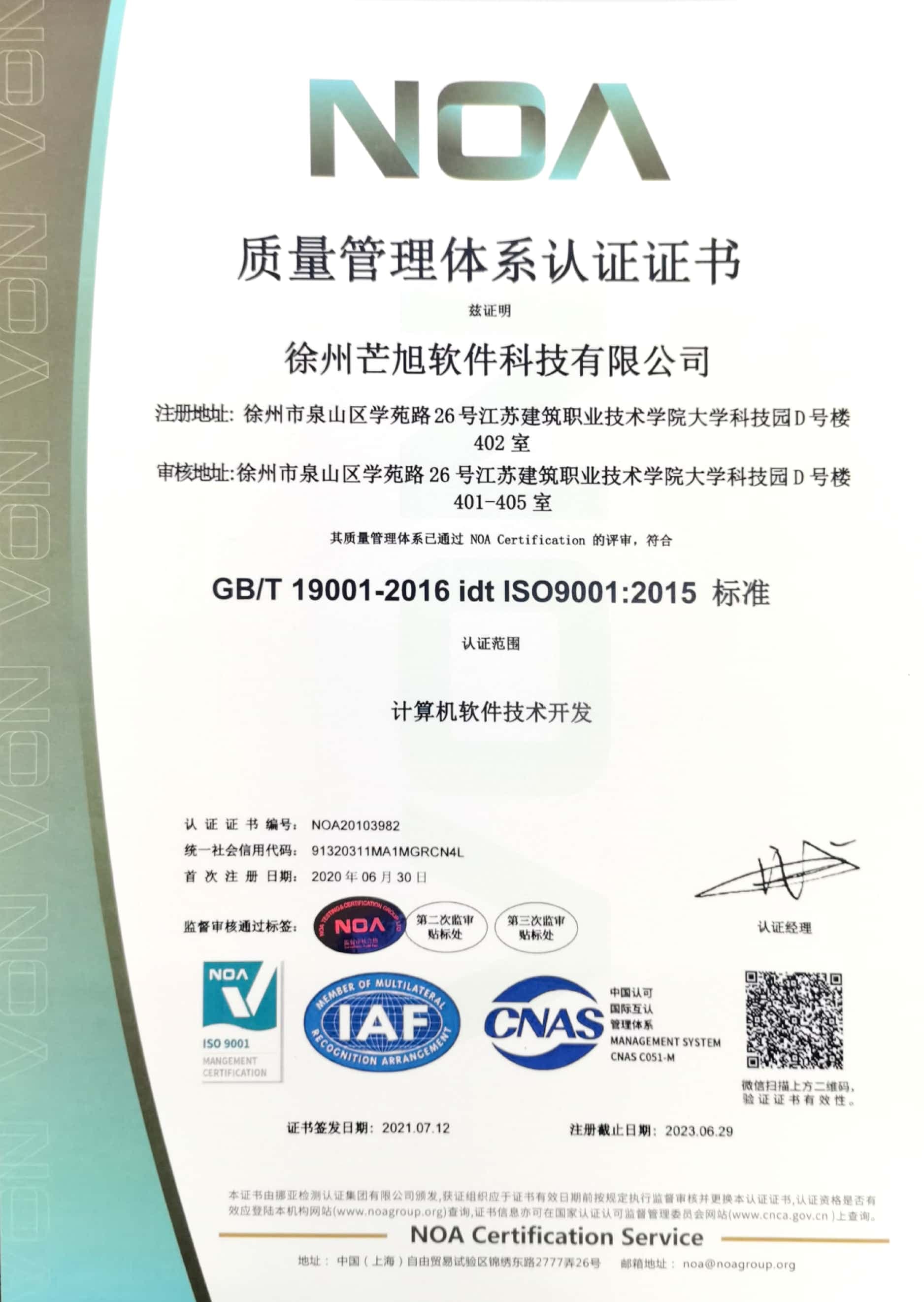
质量管理体系认证证书
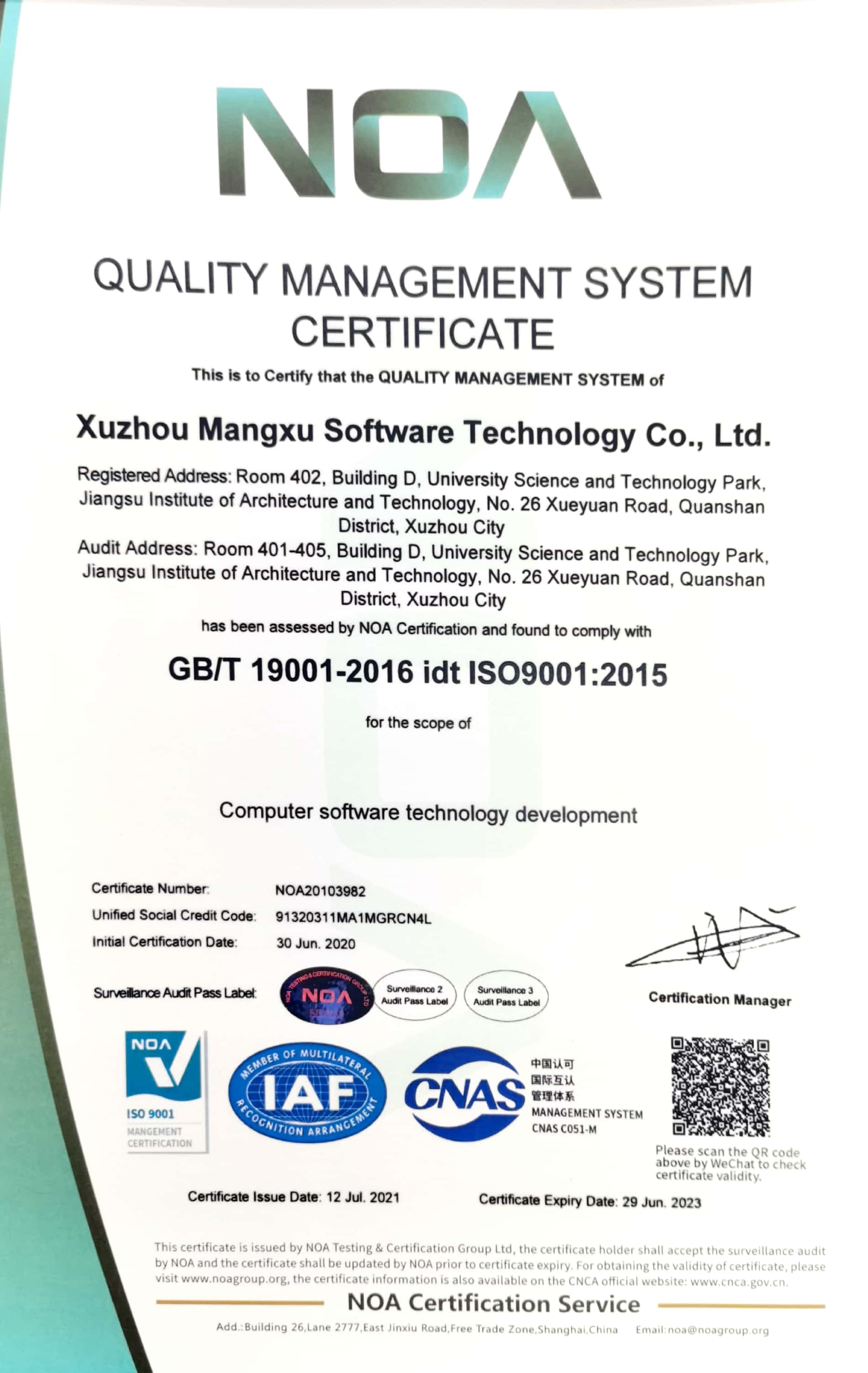
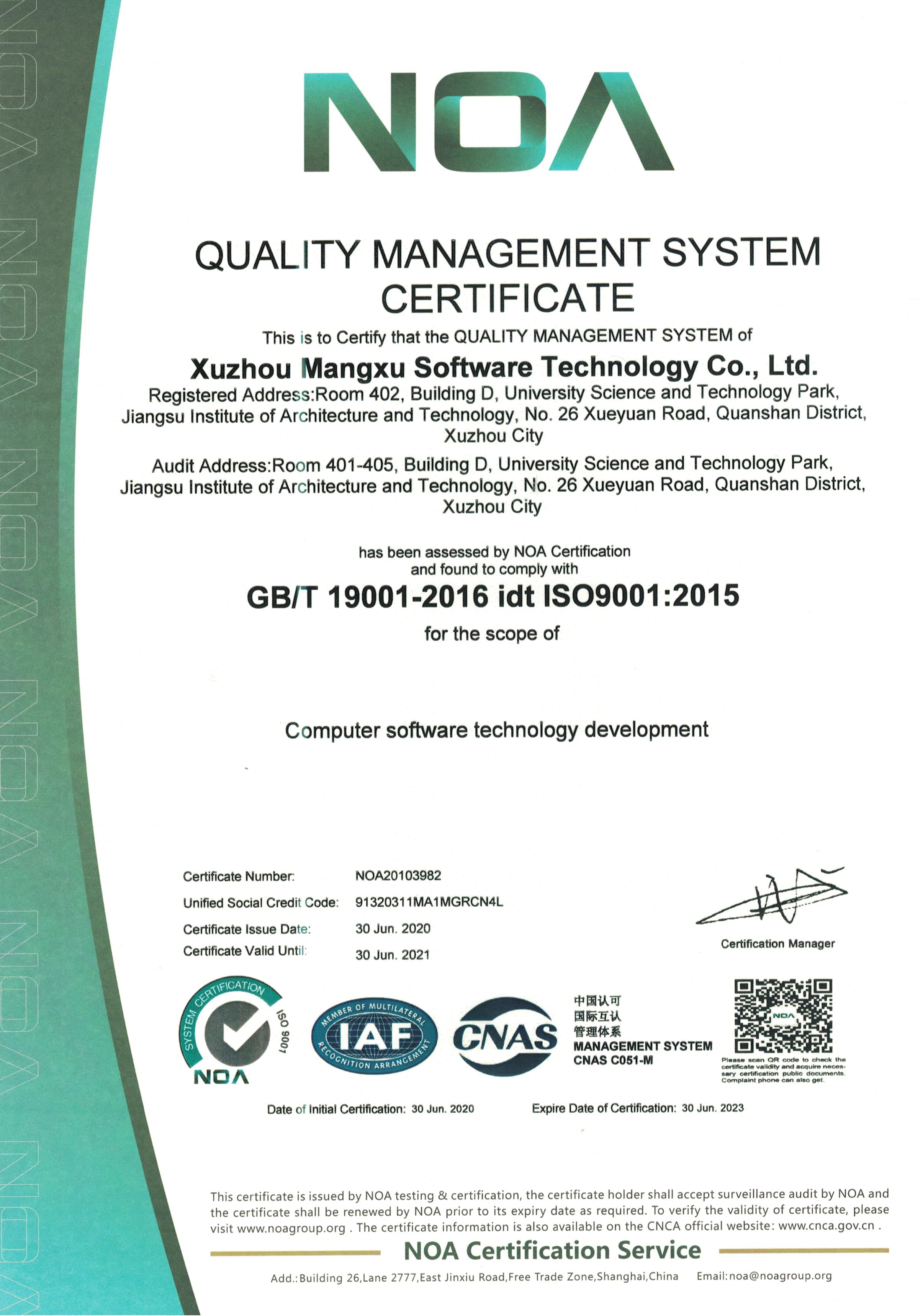
QUALITY MANAGEMENT SYSTEM CERTIFICATE
PDF 文档点击查看
质量管理体系认证证书
PDF 文档点击查看
质量管理体系认证证书
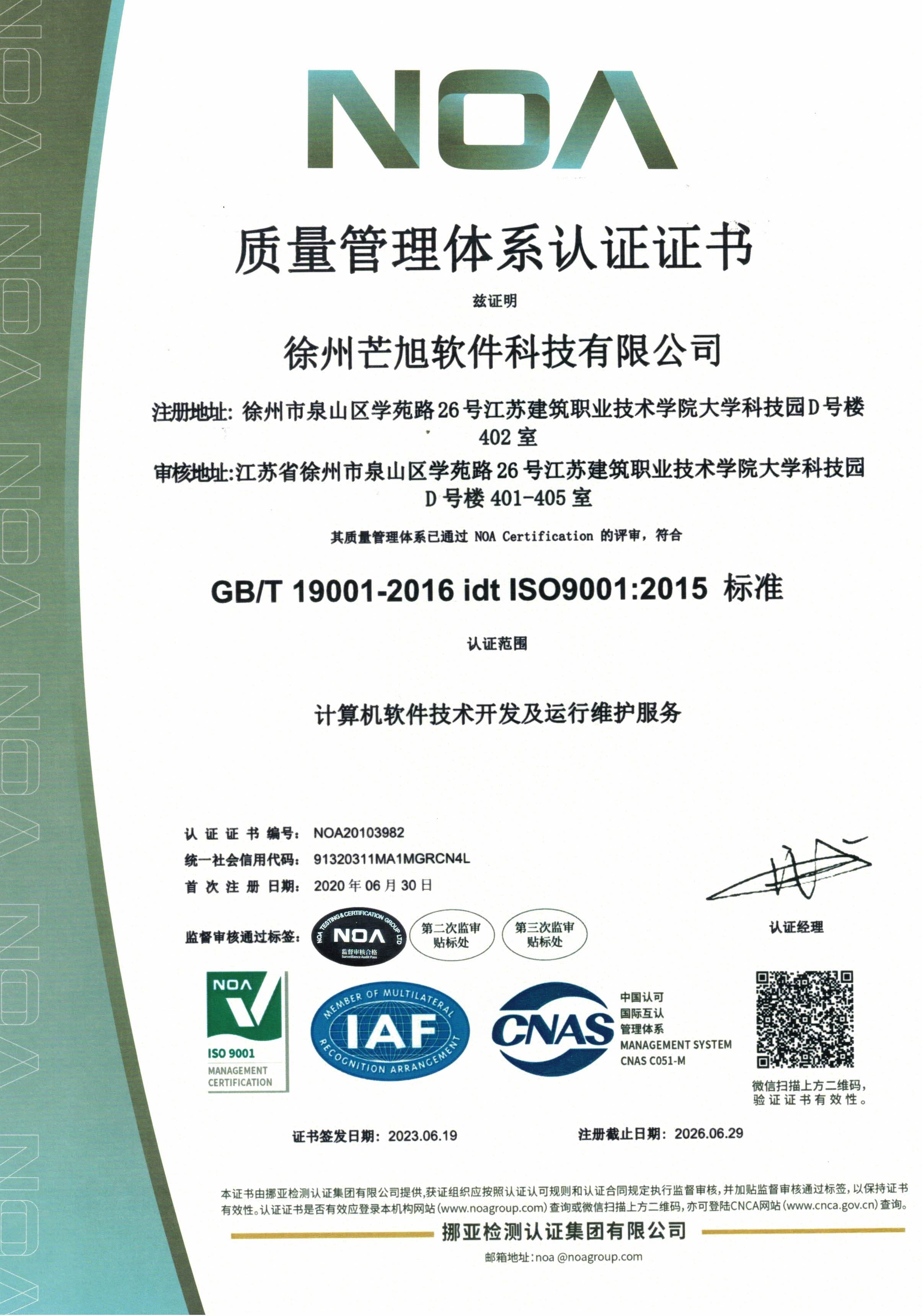
质量管理体系认证证书
QUALITY MANAGEMENT SYSTEM CERTIFICATE
PDF 文档点击查看
高新技术企业证书
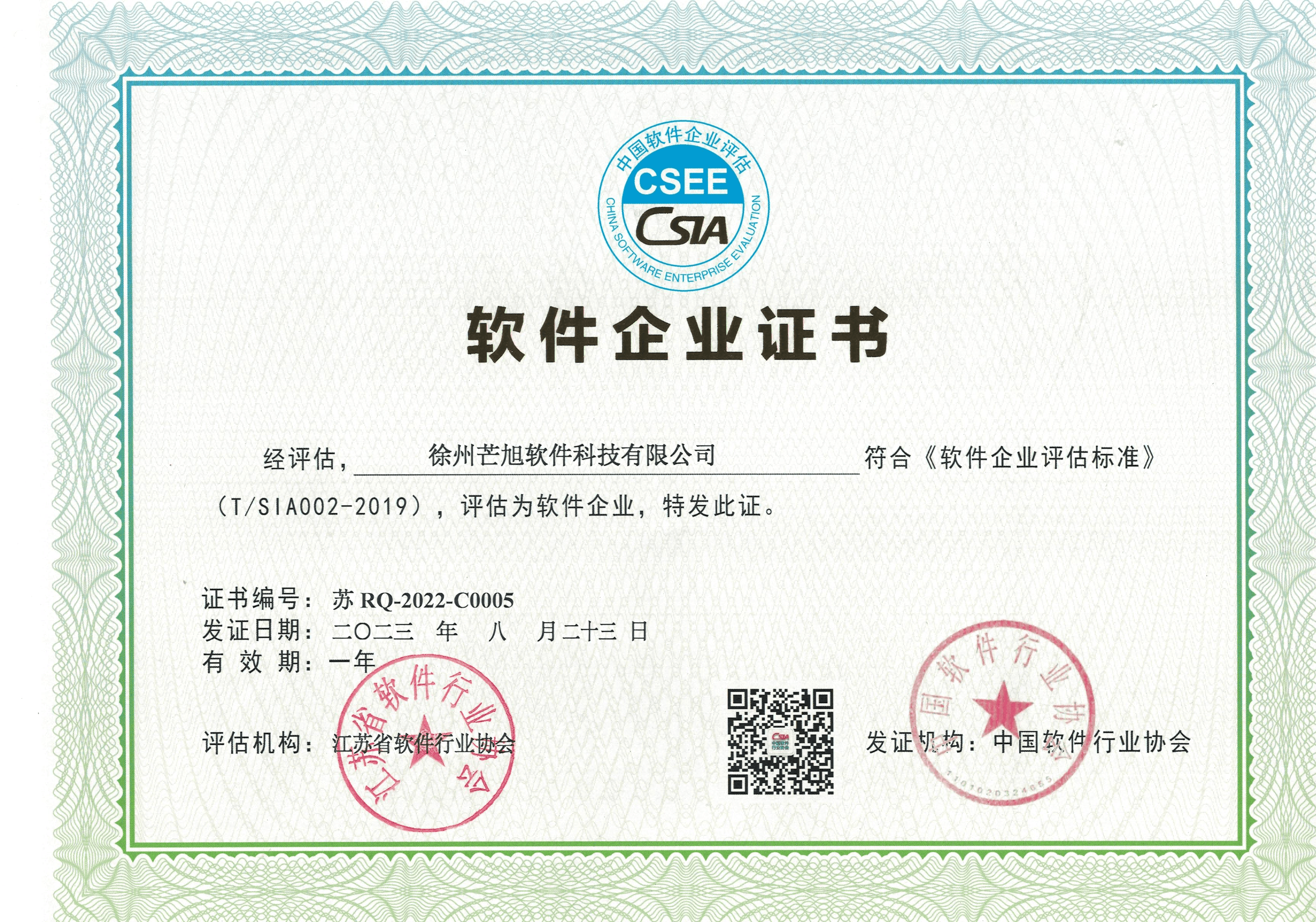
软件企业证书
Related Articles
高校数据孤岛怎么破?从融合门户到人员管理平台的一体化实践
高校数据孤岛问题长期困扰信息化建设者。本文基于融合门户系统、人员管理平台、数据中台与数据治理服务的多项目集成经验,结合湖北中医药大学智慧迎新实战案例,系统梳理了从"入口统一"到"数据统一"再到"治理统一"的三层一体化破局路径,为高校信息中心主任和数字化建设负责人提供可落地的实践指南。
从零搭建食品企业数据中台:孔妈妈食品数字化生态战略的实践复盘
从零搭建食品企业数据中台:孔妈妈食品数字化生态战略的实践复盘
高校数据治理的五个常见陷阱与应对策略——基于真实项目的复盘
本文基于德州职业技术学院、桂林医学院等高校数据治理项目的真实实践,系统复盘了高校在数据中台与数据治理项目中常见的五个陷阱:将数据治理等同于上系统、忽视数据标准建设、重建设轻运营、忽视业务部门参与、定制功能质量失控。针对每个陷阱,结合真实案例和可量化的服务承诺,提供了经过验证的应对策略,并提出了高校数据治理的"三步走"路线图,为高校信息化管理者提供务实参考。
Frequently Asked Questions
Ask me about Kong Mama Food · Digital Ecosystem Strategic Panorama Plan