Negotiable
Contact for pricing
全链路闭环
覆盖从需求感知到生产交付的完整价值链,实现端到端协同。
智能预测引擎
利用AI算法进行需求预测与产能评估,实现事前预测与事中控制。
双中台架构
数据中台与业务中台双轮驱动,支撑精准决策与灵活业务编排。
柔性可扩展
基于微服务架构,支持按需选择模块并随业务增长平滑扩展。
快速见效
提供预置行业模板和最佳实践,缩短实施周期,降低风险。
AI Direct Answer
The SmartLink Production-Sales Integration Platform is a comprehensive solution centered on data-driven, end-to-end collaboration. By connecting the entire chain from demand sensing to production delivery, and leveraging core components such as intelligent forecasting, collaborative planning, flexible scheduling, and inventory optimization, it systematically addresses pain points like production-sales disconnection and high inventory levels, helping enterprises achieve agile operations and cost reduction with efficiency improvement.
Pain Points
Manufacturing enterprises currently face the following core pain points in production-sales coordination, which severely constrain operational efficiency and market responsiveness. These pain points are intertwined, forming a vicious cycle that urgently requires a systematic solution to break through.
1. Information Silos in Production and Sales, Disconnected Planning
- Phenomenon: Sales forecasts, production plans, and inventory data are scattered across different systems such as ERP, MES, and CRM, with inconsistent data standards and a lack of real-time synchronization.
- Cause: Systems are not interconnected, relying on manual Excel transfers, leading to information lag.
- Impact: This results in misalignment between production plans and market demand, with shortages during peak seasons and inventory overstock during off-peak periods, reducing inventory turnover by over 30%.
2. Inaccurate Demand Forecasting, Lagging Response
- Phenomenon: The sales side relies on historical data and experience-based judgment, failing to capture market fluctuations and personalized customer needs.
- Cause: Lack of data-driven forecasting models and algorithm support.
- Impact: Extended order delivery cycles, decreased customer satisfaction, and missed market opportunities.
3. Rigid Production Scheduling, Insufficient Flexibility
- Phenomenon: Once a production plan is set, it is difficult to adjust, leading to slow responses to emergencies such as urgent orders or material shortages.
- Cause: Scheduling relies on manual experience, lacking dynamic optimization capabilities.
- Impact: Low equipment utilization (averaging only 60%-70%), and high costs from overtime and rush orders.
4. Coarse Inventory Management, High Capital Occupation
- Phenomenon: Unreasonable inventory structure of raw materials, work-in-progress, and finished goods, with a high proportion of stagnant stock.
- Cause: Lack of inventory strategies based on production-sales linkage, and unscientific safety stock settings.
- Impact: Inventory capital occupies 30%-50% of a company's working capital, affecting cash flow health.
5. Inefficient Cross-Department Collaboration, Decisions Without Basis
- Phenomenon: Departments such as sales, production, procurement, and logistics operate independently, with long information transmission chains and decisions made based on intuition.
- Cause: Lack of a unified collaboration platform and visual decision-making dashboard.
- Impact: Long problem response cycles, high internal communication costs, and overall low operational efficiency.
Solution Overview
The SmartLink Production-Sales Integration Platform is a comprehensive solution centered on data-driven, end-to-end collaboration, designed to connect the entire chain from demand sensing to production delivery, enabling an agile operational model of "producing based on sales, promoting sales through production, and balancing production and sales."
Core Design Philosophy
This solution is not a simple system integration but starts from top-level design to build a "Data Middle Platform + Business Middle Platform" dual-wheel drive architecture:
- Data Middle Platform: Integrates multi-source data from sales, production, inventory, and supply chain to form unified data assets, supporting accurate forecasting and intelligent decision-making.
- Business Middle Platform: Encapsulates core business capabilities for production-sales coordination (e.g., demand management, planning and scheduling, inventory optimization), enabling flexible orchestration and rapid response through a microservices architecture.
Systematic Resolution Path
The solution systematically addresses the above pain points through a closed-loop mechanism of "Sense-Predict-Plan-Execute-Optimize":
- Sense: Real-time collection of dynamic data on markets, orders, production, and inventory.
- Predict: Use AI algorithms for demand forecasting and capacity assessment.
- Plan: Automatically generate balanced S&OP (Sales and Operations Planning) and master production schedules.
- Execute: Deploy plans to execution systems like MES and WMS, and monitor progress in real-time.
- Optimize: Continuously improve forecasting models and scheduling rules based on execution feedback.
Unique Value and Differentiation
- Full-Chain Closed Loop: Unlike single-function modules, this solution covers the complete value chain from demand to delivery.
- Intelligent Decision Engine: Built-in industry-leading machine learning algorithms enable a leap from "post-event analysis" to "pre-event prediction and in-event control."
- Flexible and Scalable: Based on a microservices architecture, it supports enterprises in selecting modules on demand and scaling smoothly with business growth.
- Quick Results: Provides pre-built industry templates and best practices to shorten implementation cycles and reduce risks.
Solution Components
The SmartLink Production-Sales Integration Platform consists of the following core components, which work together to form an organic whole, driving efficient production-sales coordination.
1. Intelligent Demand Forecasting Engine
Based on multi-dimensional data such as historical sales, market trends, and promotional activities, it uses algorithms like time series, regression analysis, and deep learning to generate demand forecasts across multiple time dimensions. Supports forecasting by SKU, region, and channel, and automatically evaluates forecast accuracy to continuously optimize models.
2. Production-Sales Coordination Planning Center (S&OP)
Provides step-by-step decomposition and coordination from annual business plans to monthly and weekly production-sales balance plans. Supports multi-scenario simulations (e.g., capacity constraints, material shortages, urgent orders) to aid management in quick decision-making. Built-in conflict detection and alert mechanisms automatically identify imbalances and provide adjustment recommendations.
3. Intelligent Scheduling and Dispatching Module (APS)
Based on finite capacity constraints, automatically generates optimal production schedules, supporting multi-objective optimization (e.g., shortest delivery time, lowest cost, highest equipment utilization). Features a visual Gantt chart for manual drag-and-drop adjustments with real-time impact assessment. Deeply integrated with MES systems to achieve a closed loop from scheduling to execution.
4. Inventory Optimization and Intelligent Replenishment Module
Establishes multi-level inventory models, dynamically calculates safety stock and reorder points, and generates replenishment recommendations. Supports VMI (Vendor Managed Inventory) mode for inventory collaboration with suppliers. Provides stagnant stock alerts and disposal recommendations to reduce inventory capital occupation.
5. Unified Data Middle Platform and Visual Dashboard
Integrates data from ERP, MES, WMS, CRM, and other systems to build a unified data model. Provides configurable BI dashboards for real-time display of key production-sales metrics (e.g., order fulfillment rate, inventory turnover, plan achievement rate). Supports mobile access, allowing management to monitor operations anytime, anywhere.
6. Implementation and Operation Services
- Consulting and Planning: Senior consultant team conducts business process diagnostics and blueprint design.
- System Integration: Provides standardized interfaces and custom development with existing IT systems.
- Training and Empowerment: Offers tiered training for different roles (planners, schedulers, management).
- Continuous Optimization: Provides model tuning, performance monitoring, and operation support services post-launch.
Implementation Path
This solution adopts a strategy of "Overall Planning, Step-by-Step Implementation, Pilot First, Rapid Iteration," advancing in four phases to ensure controllable risks and rapid value realization.
| Phase | Objective | Key Activities | Milestone | Estimated Duration |
|---|---|---|---|---|
| Phase 1: Foundation Building | Break data silos, establish data foundation | 1. Data source survey and interface development 2. Data middle platform setup and data governance 3. Core metric definition and visual dashboard development | Data middle platform goes live, key metrics viewable in real-time | 4-6 weeks |
| Phase 2: Pilot Application | Validate solution value on core production lines/categories | 1. Pilot deployment of demand forecasting engine 2. Pilot operation of production-sales coordination planning center 3. Application of intelligent scheduling module on pilot lines | Pilot area production-sales plan achievement rate increases by 15% | 8-12 weeks |
| Phase 3: Full Rollout | Expand solution to entire business scope | 1. Full-category demand forecasting and plan coordination 2. Full production line intelligent scheduling go-live 3. Full application of inventory optimization module | Company-wide production-sales integration platform officially operational | 8-12 weeks |
| Phase 4: Continuous Optimization | Model tuning and feature iteration | 1. Continuous improvement of forecast model accuracy 2. Scheduling algorithm optimization 3. User feedback collection and feature iteration | System stable operation, ROI meets target expectations | Ongoing |
Risk Control Measures
- Data Quality Risk: Establish data quality validation rules during the data middle platform phase to ensure source data accuracy.
- Business Change Risk: Form a joint project team of business experts and IT personnel during the pilot phase, enhancing communication and training.
- Technical Integration Risk: Use standardized API interfaces and conduct thorough integration and stress testing.
Expected Results
By implementing the SmartLink Production-Sales Integration Platform, enterprises can achieve significant operational efficiency improvements in the short term and build sustainable competitive advantages in the long term.
Short-Term Results (1-3 Months)
- Order Delivery On-Time Rate Improvement: From an average of 75% to over 90%.
- Inventory Turnover Improvement: Increase by 20%-30%, reducing capital occupation.
- Planning Efficiency Improvement: From manual 2-3 days to system-automated 30 minutes.
- Production-Sales Coordination Meeting Efficiency Improvement: Decision-making shifts from intuition to data-driven, reducing meeting time by 50%.
Long-Term Value (6-12 Months)
- Demand Forecast Accuracy Improvement: From an average of 60% to over 85%, reducing shortages and overstock.
- Overall Equipment Effectiveness (OEE) Improvement: Increase by 10%-15%, releasing capacity.
- Inventory Capital Occupation Reduction: Decrease by 20%-30%, improving cash flow.
- Customer Satisfaction Improvement: Through on-time delivery and rapid response, customer satisfaction scores increase by 15%.
ROI Analysis
- Payback Period: Estimated 12-18 months.
- Annualized Benefits: Through cost reduction and efficiency gains, expected to bring [to be supplemented] in annual revenue to the enterprise.
Reference Cases
The following cases demonstrate the successful application of the SmartLink Production-Sales Integration Platform across different industries, validating its broad applicability and significant value.
Case 1: A Large Home Appliance Manufacturer
- Client Background: Annual output value exceeding 10 billion yuan, with multiple product lines, facing challenges of production-sales disconnection and high inventory.
- Solution Application: Deployed demand forecasting engine, S&OP planning center, and intelligent scheduling module.
- Core Results: Inventory turnover increased by 35%, order delivery on-time rate improved from 78% to 95%, saving over 20 million yuan in annual inventory costs.
Case 2: An Automotive Parts Supplier
- Client Background: Supplies multiple OEMs, facing pressure for flexible production with high variety, small batches, and urgent orders.
- Solution Application: Focused on the intelligent scheduling and dispatching module, deeply integrated with MES system.
- Core Results: Equipment utilization increased from 65% to 82%, emergency order response time reduced from 2 days to 4 hours.
Case 3: A Fast-Moving Consumer Goods Group
- Client Background: Has a nationwide distribution network, a large number of SKUs, and high demand volatility.
- Solution Application: Fully applied demand forecasting engine and inventory optimization module.
- Core Results: Demand forecast accuracy improved from 55% to 80%, out-of-stock rate reduced by 40%, inventory capital occupation decreased by 25%.
Solution Architecture
How Components Work Together
SmartLink Production-Sales Integration Agile Collaboration Platform
01
需求智能预测引擎02
产销协同计划中心03
智能排程与调度模块04
库存优化与智能补货05
统一数据中台与看板06
实施与运维服务SmartLink Production-Sales Integration Agile Collaboration Platform
01
需求智能预测引擎
基于多维数据和AI算法,生成精准需求预测,支撑以销定产决策
02
产销协同计划中心
实现年度到周度产销计划逐级分解与协同,自动识别并预警不平衡点
03
智能排程与调度模块
基于有限产能约束自动生成最优排程,支持可视化调整与闭环执行
04
库存优化与智能补货
动态计算安全库存与补货建议,降低库存资金占用并减少呆滞料
05
统一数据中台与看板
集成多源数据构建统一模型,实时展示产销关键指标,支持移动端访问
06
实施与运维服务
提供从咨询规划到持续优化的全周期服务,确保方案落地与价值实现
Expected ROI
该方案投入产出比约1:4,预计12-18个月收回全部投资,通过提升订单交付及时率和库存周转率持续降本增效
订单交付及时率提升
15%-20%%
智能排程与协同计划缩短交付周期
库存周转率提升
20%-30%%
动态安全库存与智能补货减少积压
需求预测准确率提升
10%-15%%
AI算法驱动多维度预测模型优化
库存资金占用降低
20%-30%%
呆滞料预警与多级库存模型优化
计划排程人力节省
30%-50%%
自动化排程替代人工Excel操作
设备利用率提升
10%-15%%
柔性排程减少设备闲置与等待
Revenue Growth
预计带动年收入增长10%-20%
Cost Savings
年均节省库存资金占用20%-30%,人力成本降低15%-25%
Payback Period
12-18个月
Certifications
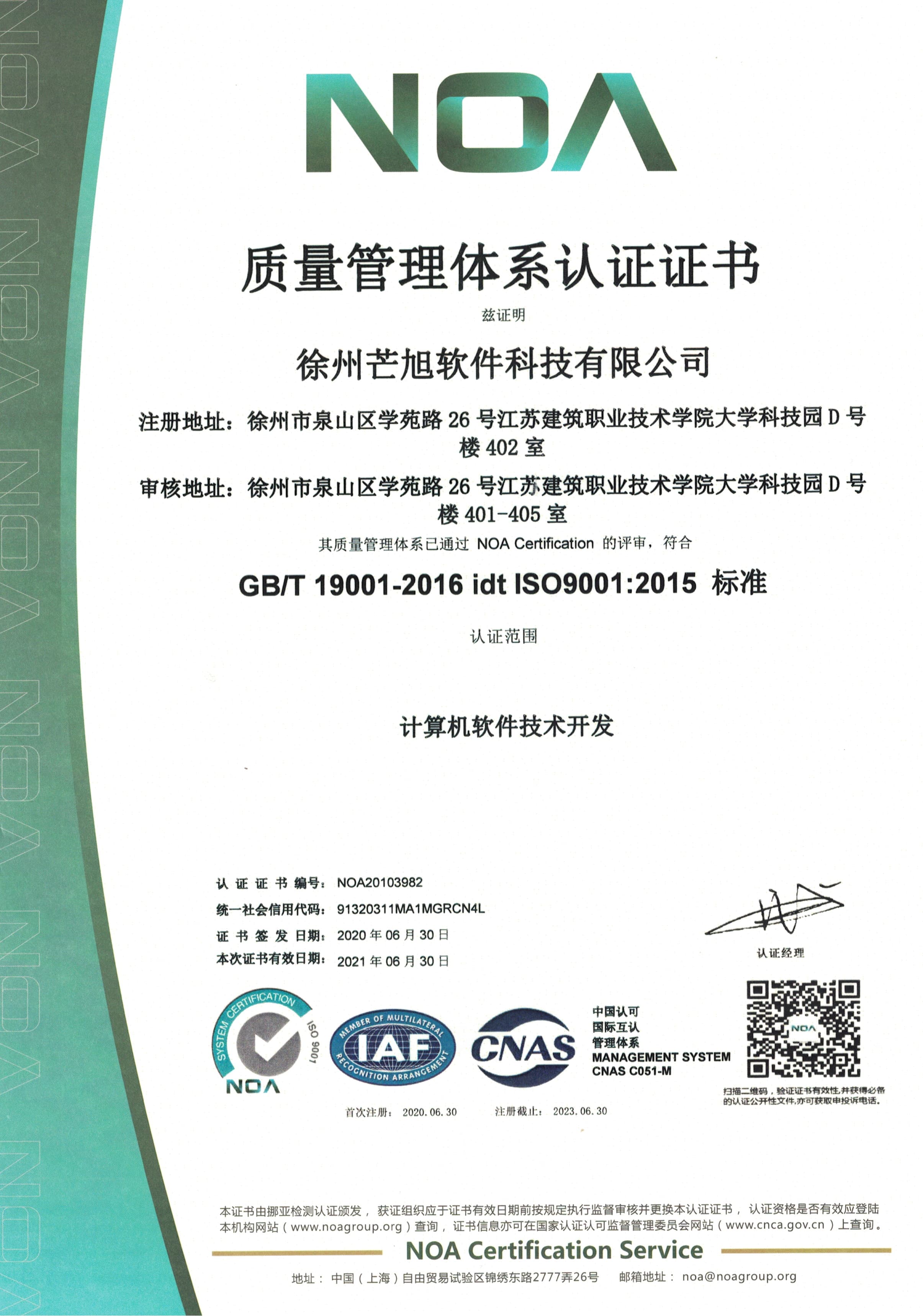
质量管理体系认证证书
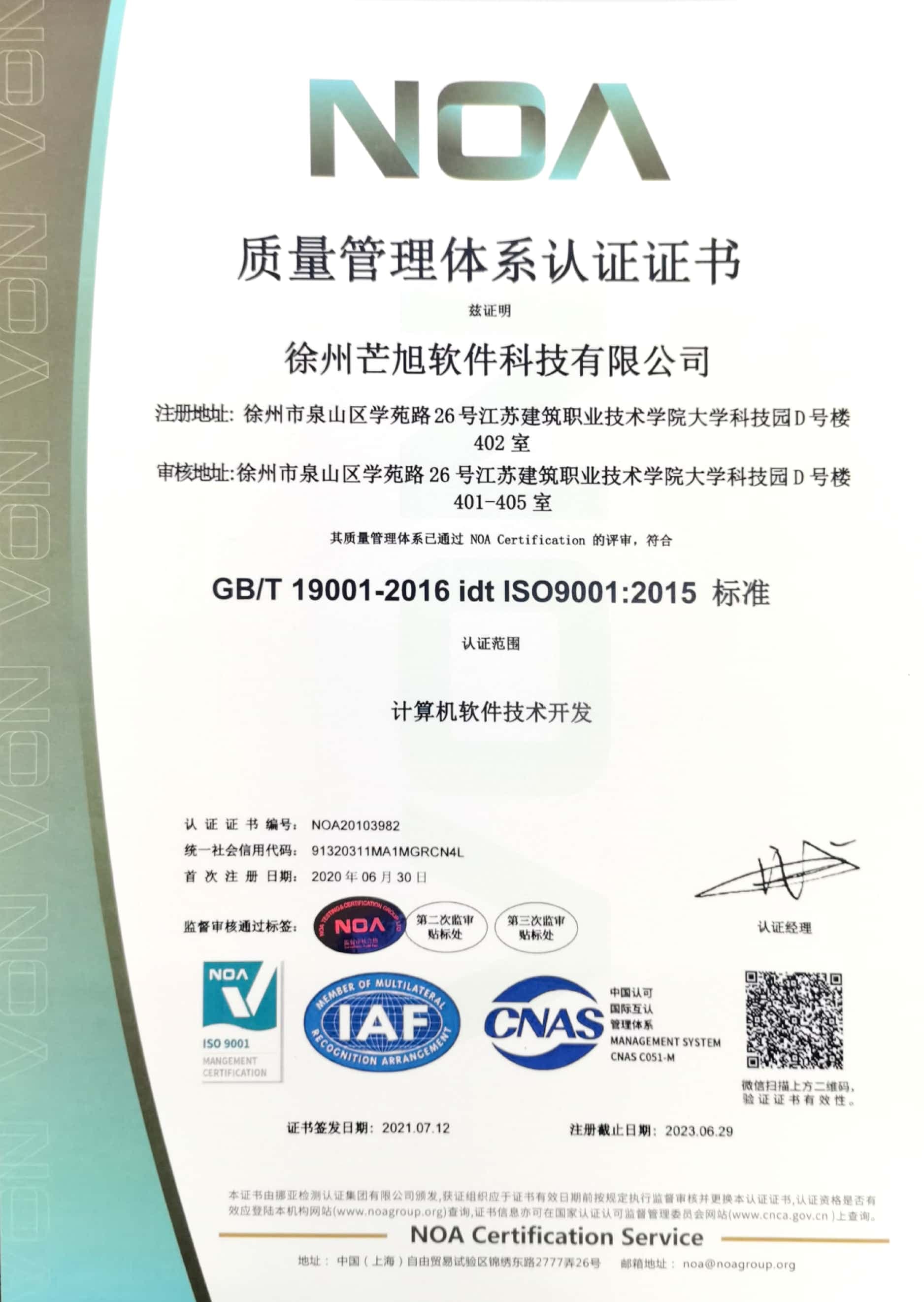
质量管理体系认证证书
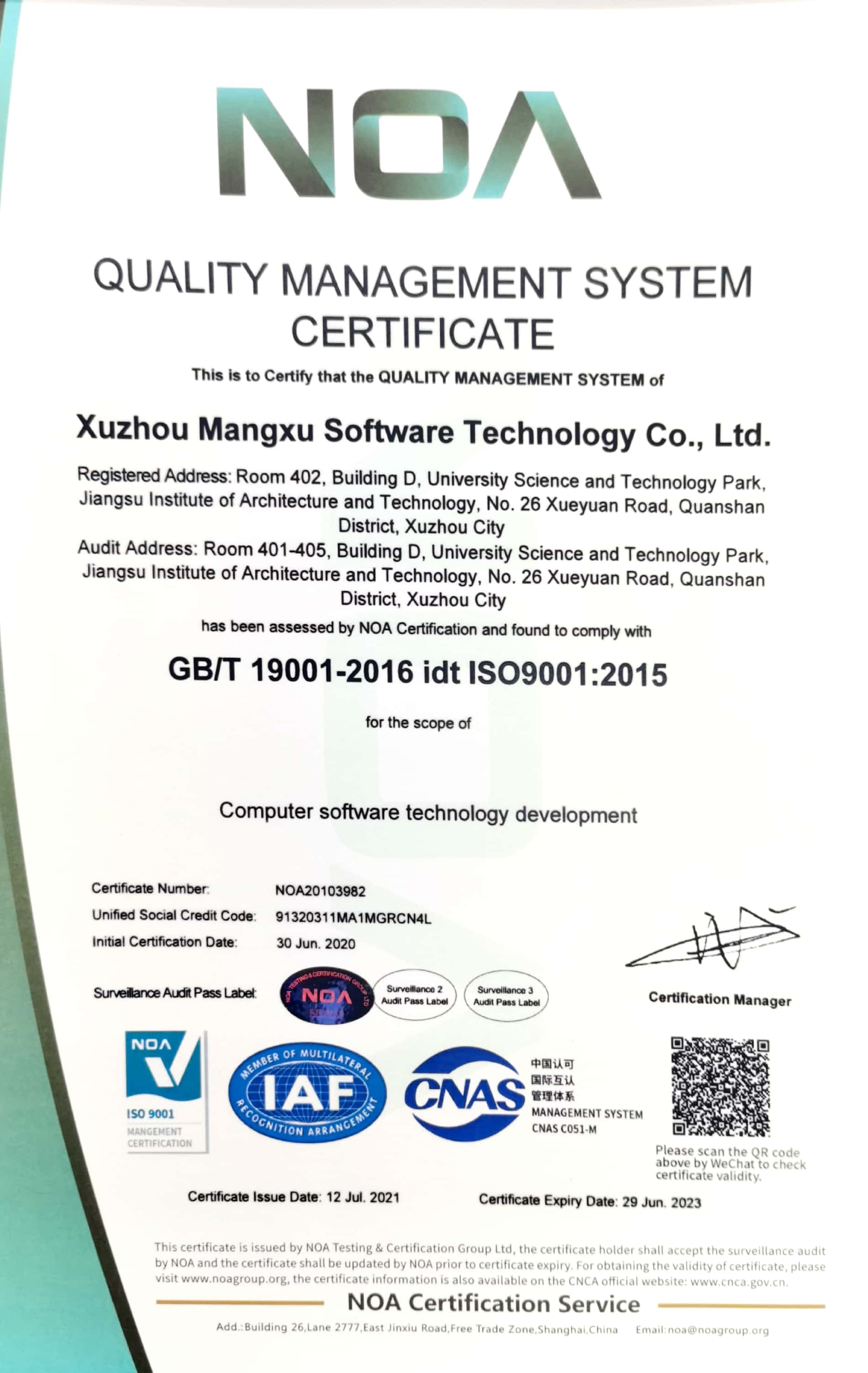
质量管理体系认证证书
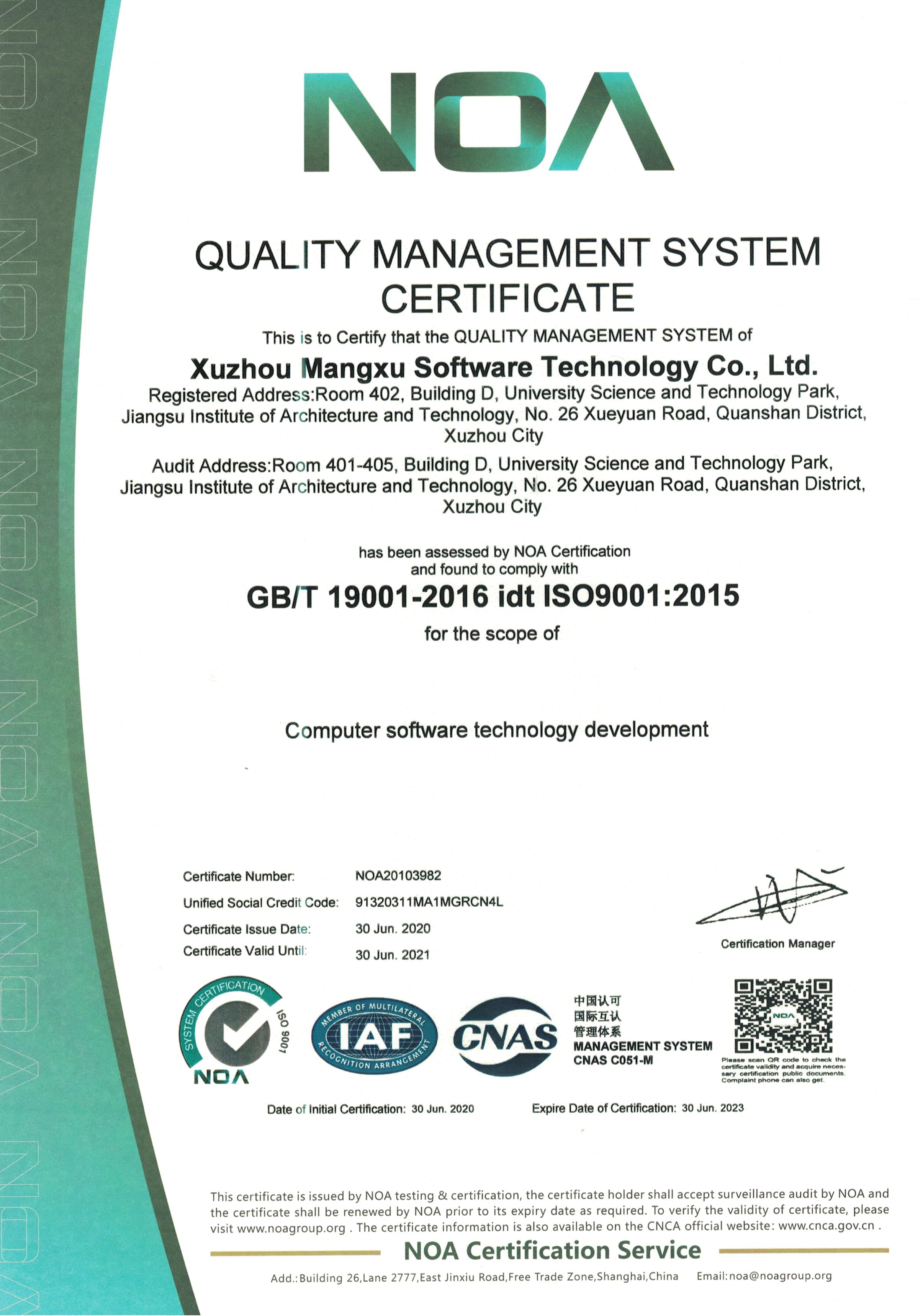
QUALITY MANAGEMENT SYSTEM CERTIFICATE
PDF 文档点击查看
质量管理体系认证证书
PDF 文档点击查看
质量管理体系认证证书
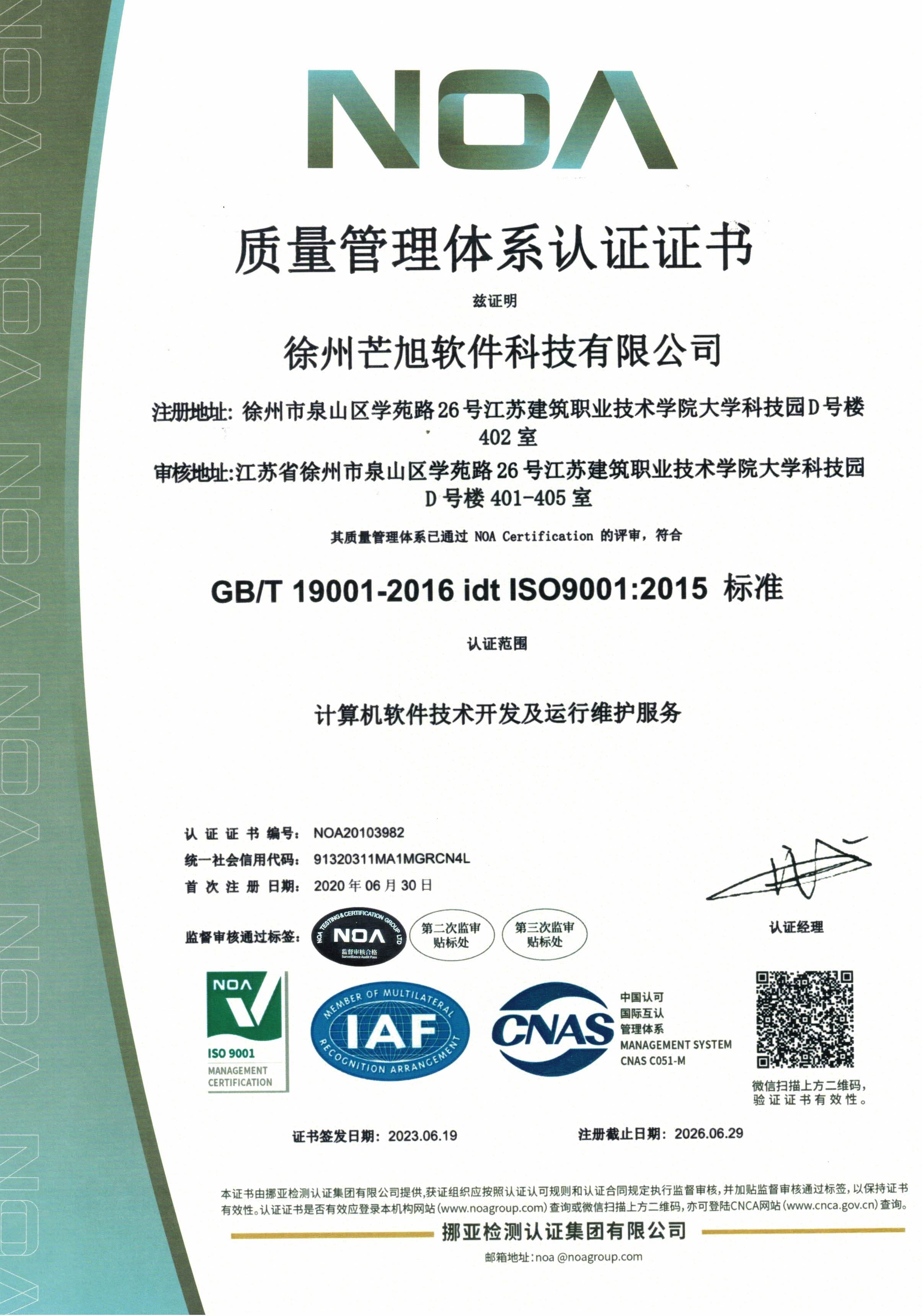
质量管理体系认证证书
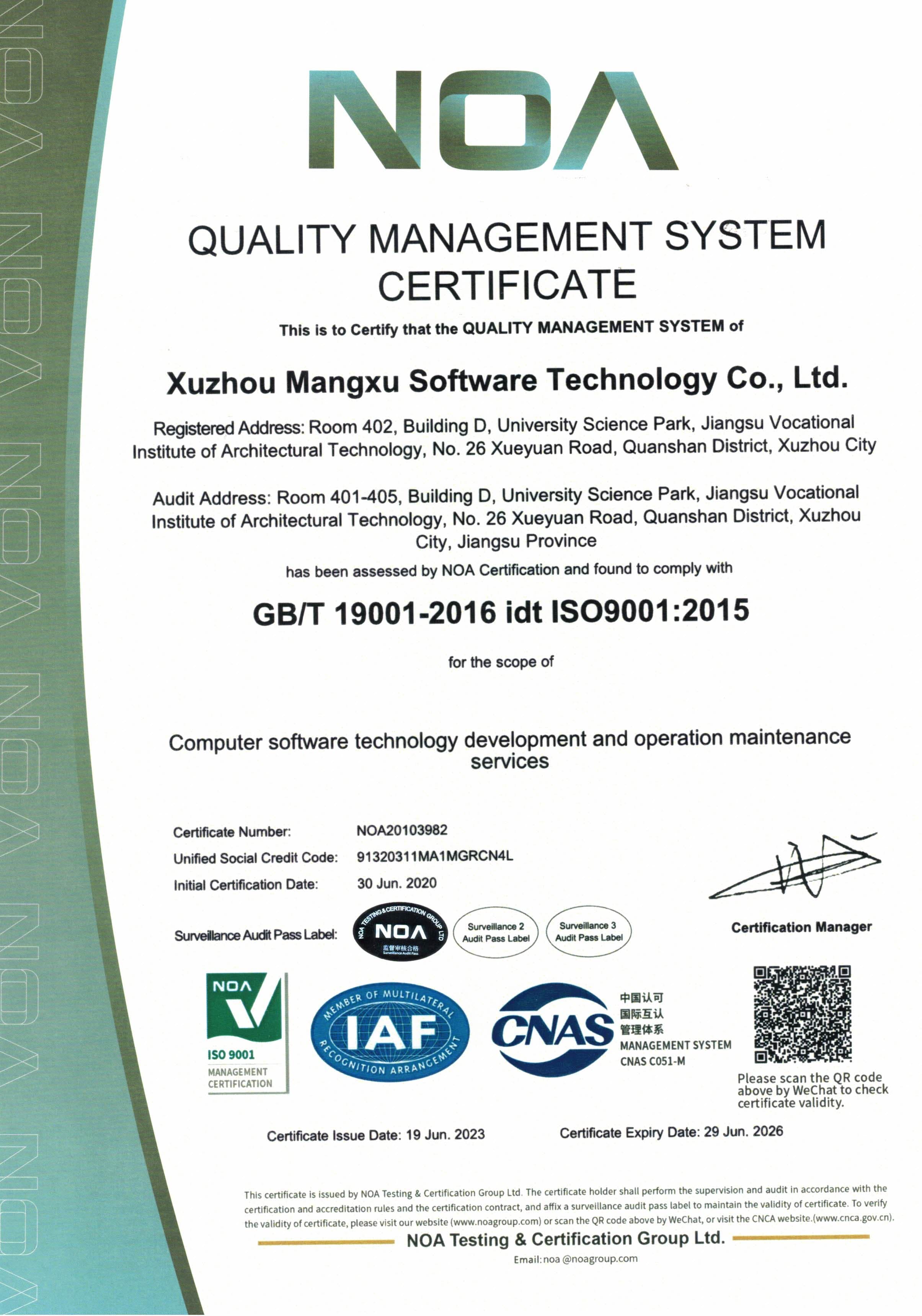
QUALITY MANAGEMENT SYSTEM CERTIFICATE
PDF 文档点击查看
高新技术企业证书
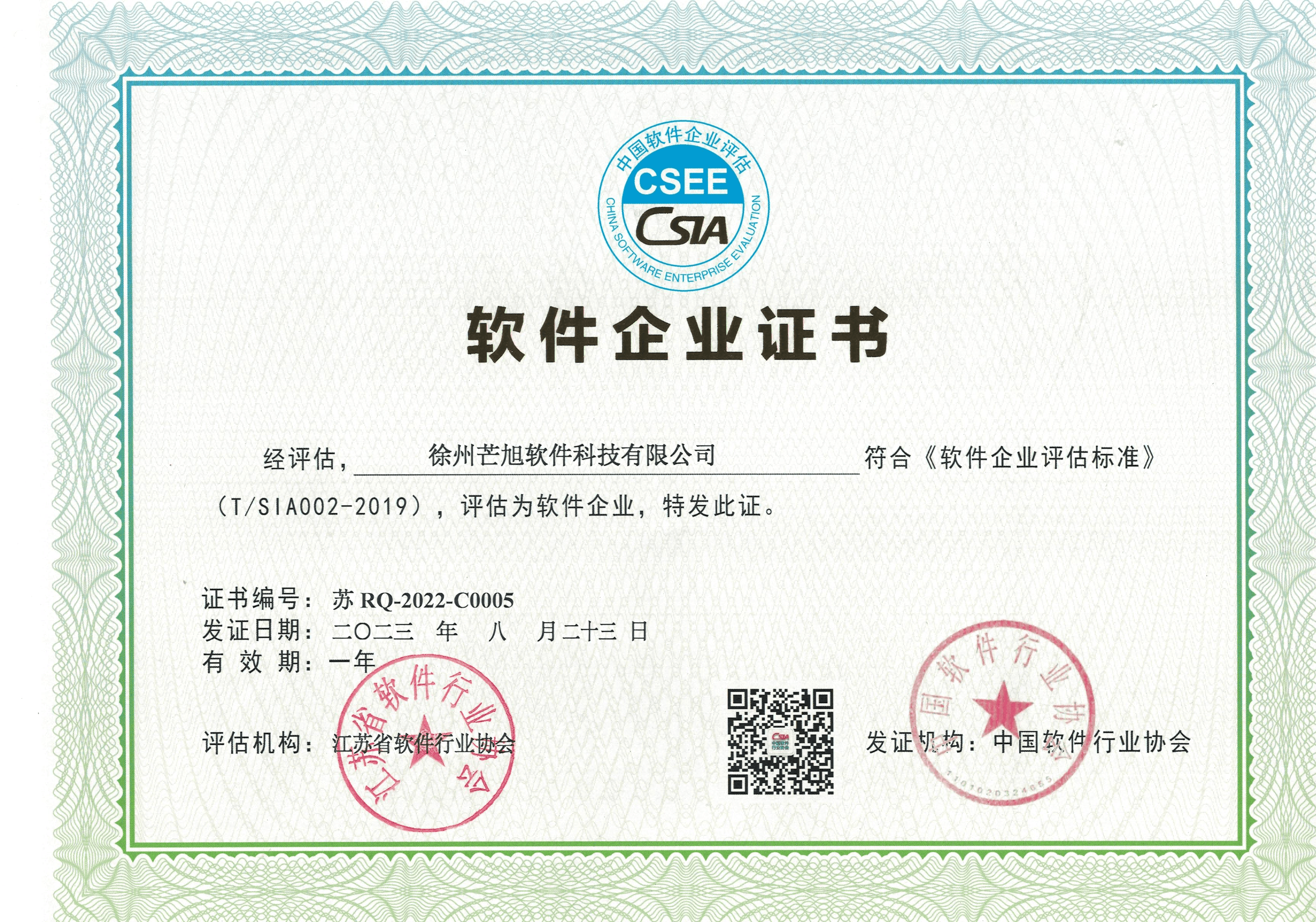
软件企业证书
Related Articles
从零搭建食品企业数据中台:孔妈妈食品数字化生态战略的实践复盘
从零搭建食品企业数据中台:孔妈妈食品数字化生态战略的实践复盘
高校数据孤岛怎么破?从融合门户到人员管理平台的一体化实践
高校数据孤岛问题长期困扰信息化建设者。本文基于融合门户系统、人员管理平台、数据中台与数据治理服务的多项目集成经验,结合湖北中医药大学智慧迎新实战案例,系统梳理了从"入口统一"到"数据统一"再到"治理统一"的三层一体化破局路径,为高校信息中心主任和数字化建设负责人提供可落地的实践指南。
高校数据治理的五个常见陷阱与应对策略——基于真实项目的复盘
本文基于德州职业技术学院、桂林医学院等高校数据治理项目的真实实践,系统复盘了高校在数据中台与数据治理项目中常见的五个陷阱:将数据治理等同于上系统、忽视数据标准建设、重建设轻运营、忽视业务部门参与、定制功能质量失控。针对每个陷阱,结合真实案例和可量化的服务承诺,提供了经过验证的应对策略,并提出了高校数据治理的"三步走"路线图,为高校信息化管理者提供务实参考。
Frequently Asked Questions
Ask me about SmartLink Production-Sales Integration Platform